

Since 1966, most states have changed the clocks twice a year to save an hour of daylight. Love it or hate it, daylight saving time ends again on Sunday, November 2, 2025.
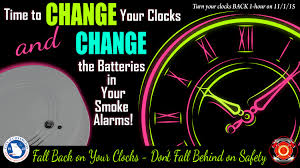
When you fall back an hour, I want you to take one simple action that could save lives: Practice your family’s Home Fire Escape Plan.
You do have a plan, don’t you? If so, when was the last time your entire household practiced it—for real? Not just talked about it. Actually practiced it. Especially at night.
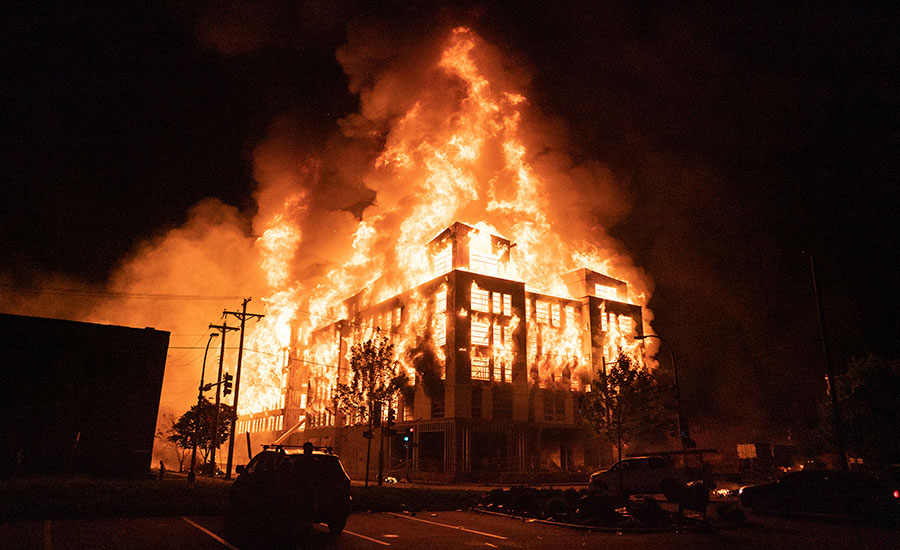
According to the U.S. Fire Administration, over 50% of fire deaths in the U.S. occur in residential dwellings during nighttime sleeping hours. That’s why practicing your escape plan is critical—especially if you have children.
🚨 Children and Fire Safety
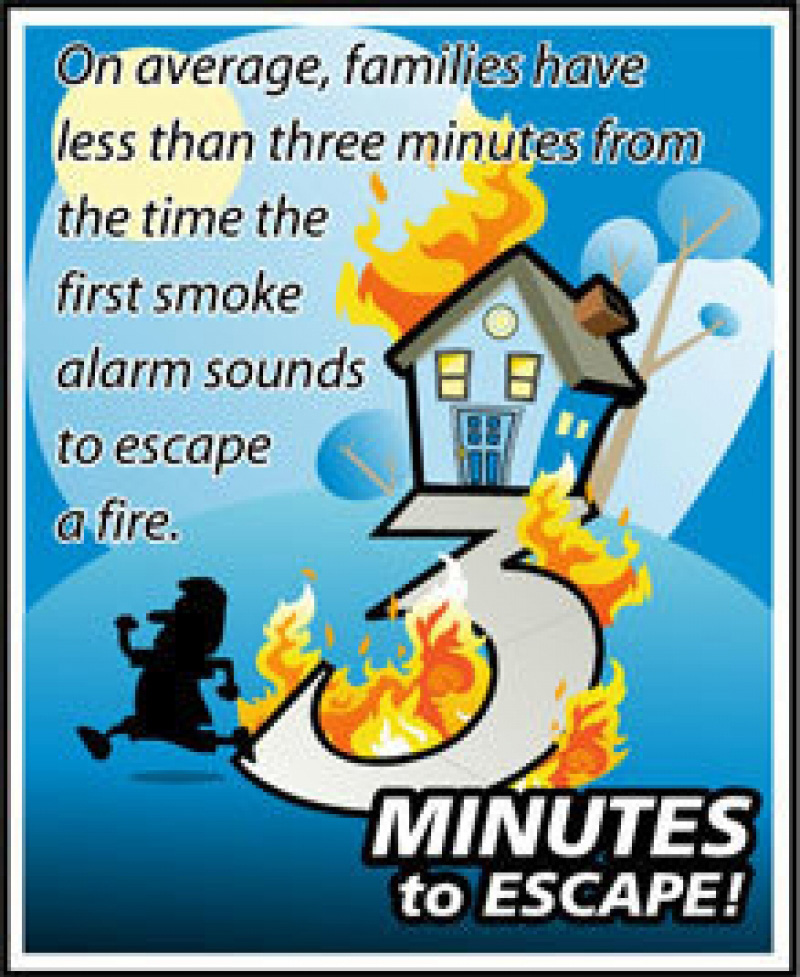
Escaping from a fire is difficult for children. A child age 4 or younger is usually too young to escape independently. They often lack the cognitive ability to understand the urgency or the means of escape—even in their own homes.
Another alarming fact: most children will not awaken to the sound of a standard smoke alarm, even older ones. Your escape plan must include physically going to their bedrooms to wake and guide them out.
👵 Visiting Grandma and Grandpa
This isn’t just a message for parents. Grandparents—how often do you host sleepovers or holiday visits with your grandchildren? With Thanksgiving and Christmas approaching, now is the time to prepare.
If children are staying in your home, you need a Home Fire Escape Plan too. Post a diagram on the refrigerator. Make sure every adult knows who’s responsible for helping each child.
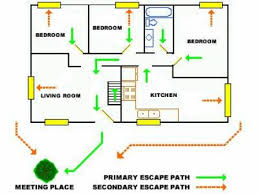
🏠 How to Make a Home Fire Escape Plan
• Assign adult helpers for babies and young children who can’t escape on their own.
• Identify two ways out of every room in case one exit is blocked.
• Choose a meeting place outside your home. Practice getting there.
• Teach children never to go back inside a burning building.
• Practice at night. Practice when guests are over. Practice until it’s second nature.
📎 Resources
• Home Fire Escape Plan Infographic (English)
• Home Fire Escape Plan Infographic (Spanish)

Join the conversation