Firefighter Safety
Fireground safety, incident management, rescue operations and line-of-duty risk.
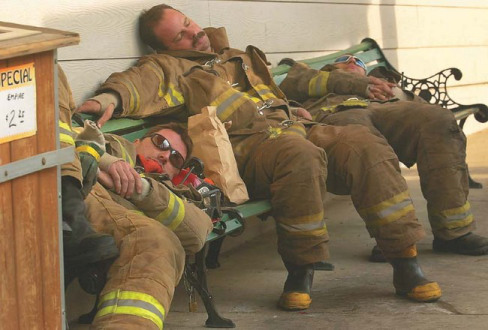
Sleep Deprivation: The Continuing Challenge for Fire and EMS
Many U.S. fire and EMS organizations continue to use some variation of the 24-hour shift to provide around-the-clock staffing. For decades, these schedules have been popular…
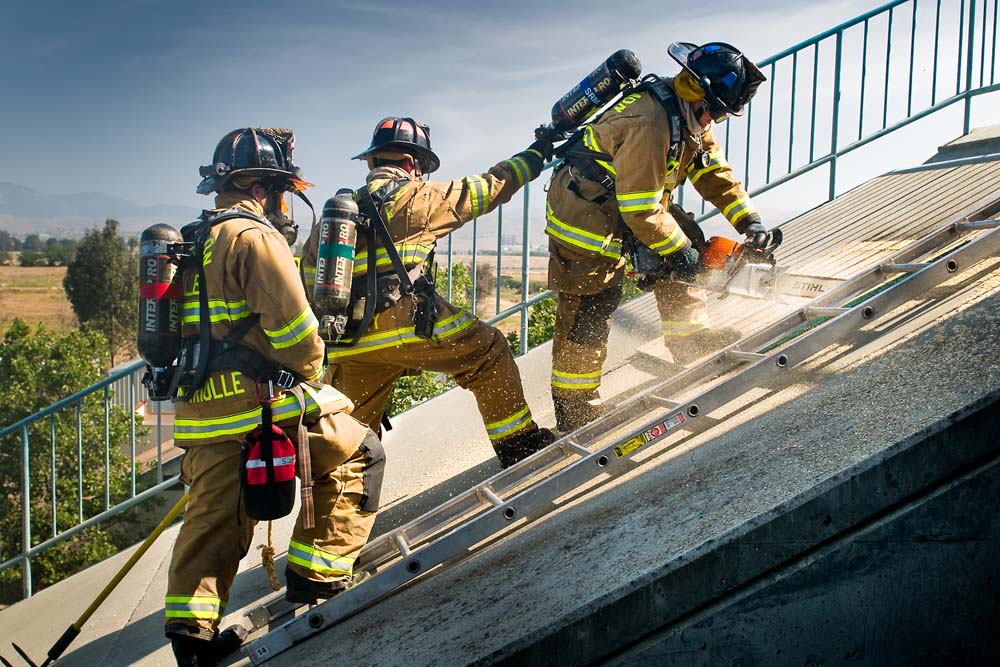
Extreme Heat and the “Terrible Twins”: What Fire Service Leaders Should Know
Training and drilling are opportunities to “sharpen the saw”, that is, work on the full range of firefighting and rescue skills necessary to do the job and make sure that everyone is still doing them safely and correctly. It's important to do that training in all weather conditions, yet it's equally important to do so safely, effectively and efficiently, especially during hot weather training.

The inspiration to write a blog can come from just about anywhere
I’m often asked why I continue to write and publish on this blog that I started in 2010. I, myself, sometimes wonder about the same thing…
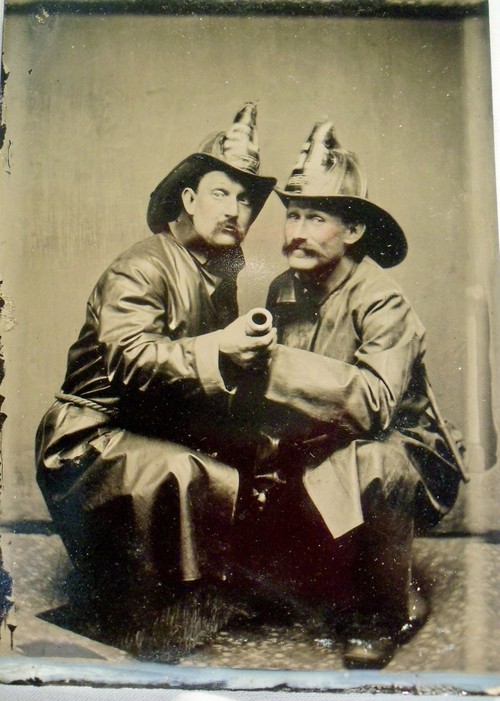
Is Safety Stand Down 2024 really addressing the basics?
I'm also not sure how these five topics address "back to basics." To my mind, this year's Safety Stand Down should be using the five days to address firefighter safety issues that continue to plague the fire service across the board after decades (e.g., lack of seatbelt use, lack of accountability systems, not wear PPE correctly or appropriately). Building the Foundation of a Training Program; Assessing the Needs of the Community and Department; Safety During Training; Physical and Behavioral/Mental Health Considerations; and the 12 Foundations of Fire Department Training.
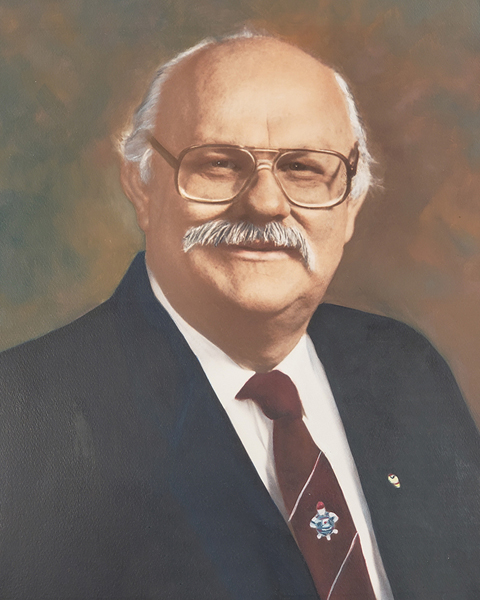
Take Full Advantage of Fire’s Diamond Time
In doing some research online regarding firefighter safety, I came across this "oldie but goodie" from one of the legends of the fire service in the U.S., the late Ronny Coleman. For firefighters and officers of a certain age, we grew up with Chief Coleman particularly as we read his classic monthly column in the old Fire Chief Magazine (the hard copy), The Chief's Clipboard. For me, reading that column provided my first real taste of officer development as I'd just been promoted to a company officer position in my department, the Chesterfield (Va.) Fire and EMS Department, nee the Chesterfield Fire Department. This was one such column.
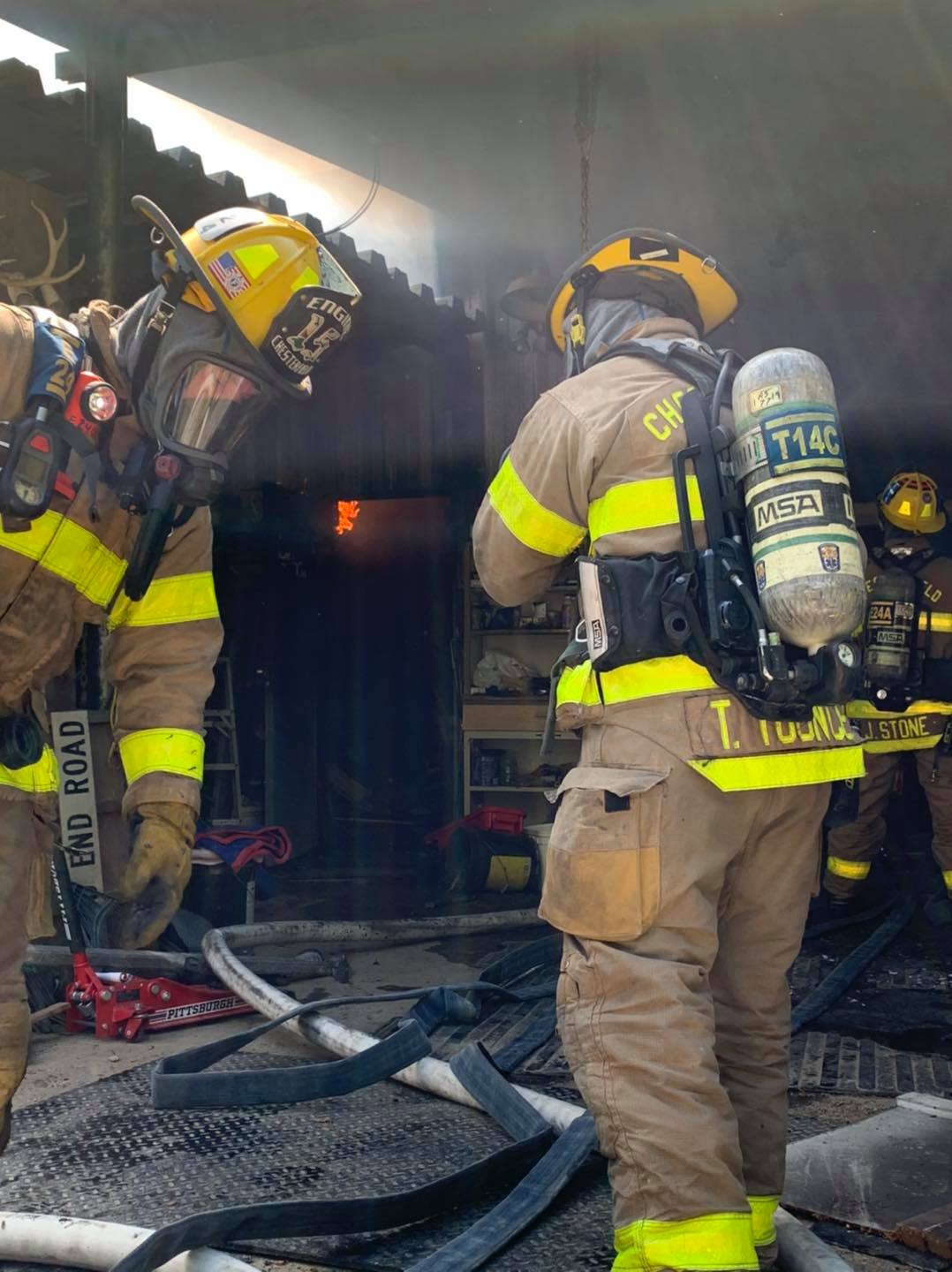
NFPA 1407: 14 years later, what’s your RIC policy?
In the fourteen years since its initial publication, NFPA 1407 has been a big part of fire departments elevating the "status" of the RIC as a critical fireground task assignment on par with that of search, fire attack, ventilation, and laddering. While this has been a positive step in the right direction regarding firefighter safety, the RIC is a "reactive" approach to firefighter safety. The RIC is in the "background" until something goes wrong (e.g., a firefighter becomes lost, entrapped or otherwise endangered). The presence of the RIC can also provide a false sense of security, especially when the RIC consists of only two firefighters.
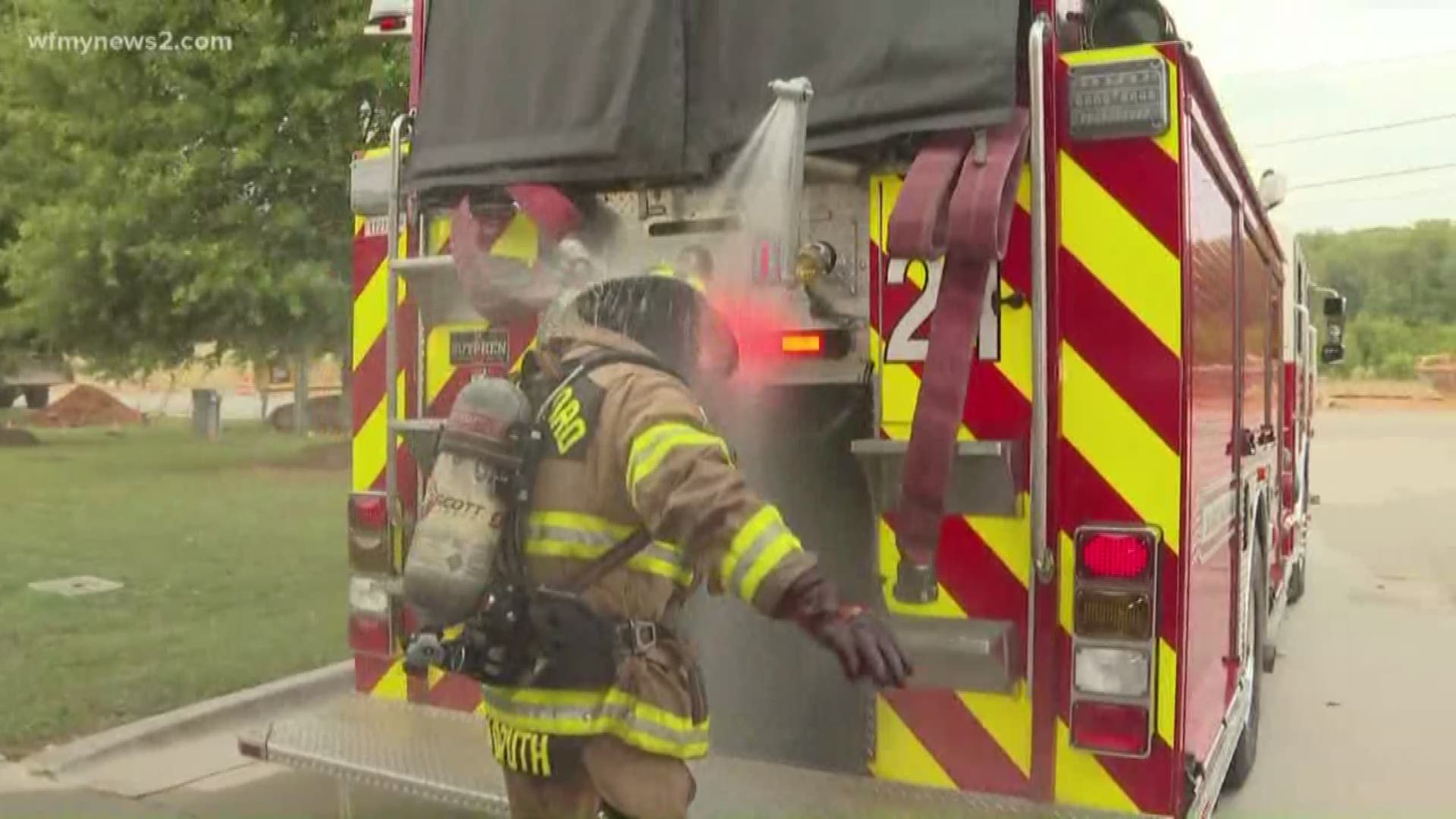
Protect Your Firefighters from Exposure to Toxins While Training
Battalion Chief (Ret.) Robert Avsec answers a reader's question about how to reduce exposure to cancer risk during live fire training.
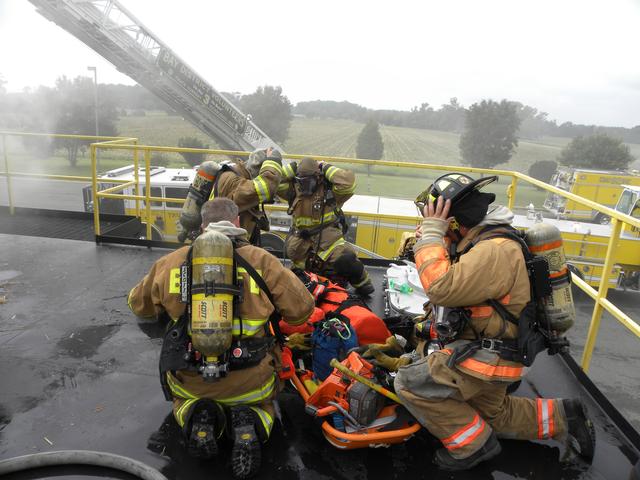
An Objective Tool for Evaluating a Response to a “Firefighter Mayday!”
I believe that a fire department that would use such a template for its post-incident review of a “Firefighter Mayday!” declaration would objectively gather the necessary information to have a positive influence for how it responds to future "Firefighter Mayday" situations.
Are firefighter MAYDAYS becoming too frequent?
Does your fire department have a written firefighter mayday procedure (SOG)? If not, you should be asking why not? If it does, how skilled and practiced are you and your peers at following the procedure in the event you find yourself in a mayday situation?
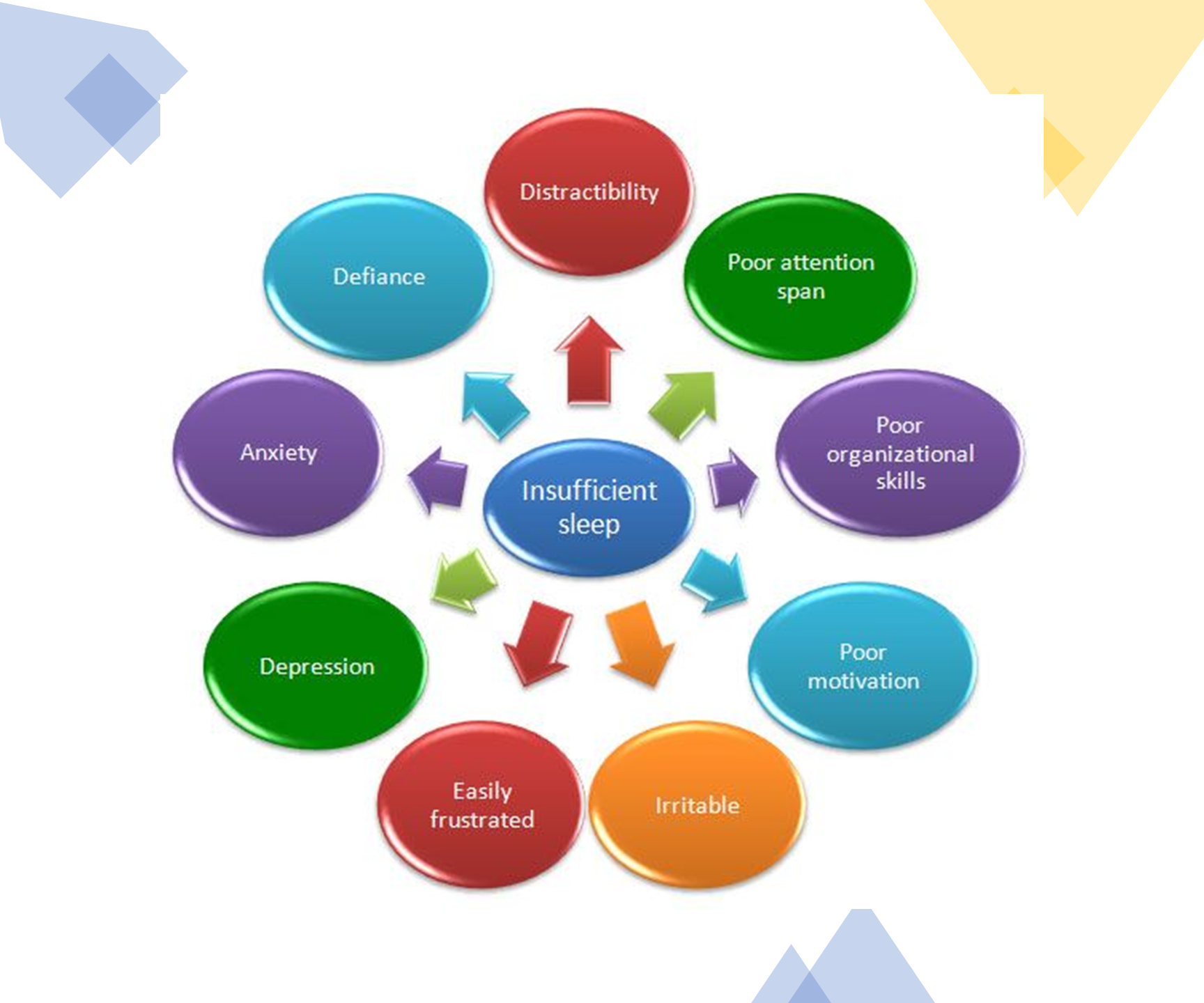
Why do firefighters continue to work 24-hour or longer shifts?
During the Question-and-Answer segment following the presentation, one of the first questions posed to me was “Why do firefighter keep working 24-hour shifts?” The second question was “Why would firefighters want to work a 48-hour shift?” The latter question was prompted by the segment of my presentation that described the 48-hours on, 96-hours off, schedule that some fire departments have adopted. And I did not have a satisfactory answer for either question.
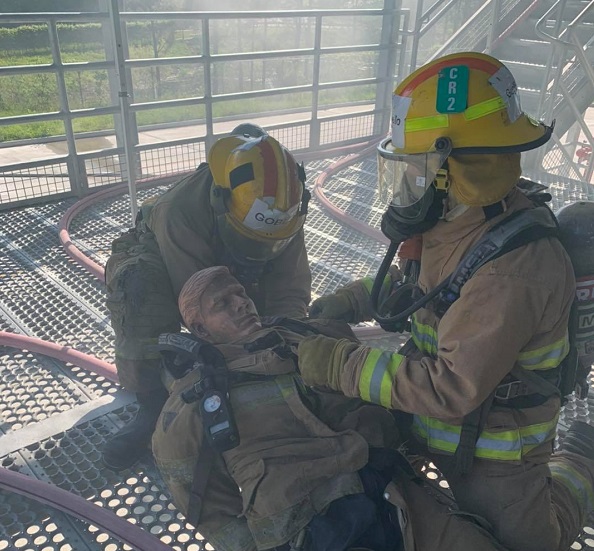
How Many Firefighters Does It Take to Rescue One Firefighter?
How much longer will we in the fire service allow this myth to survive? The fact is, there are few women or men that could rescue a downed firefighter alone.
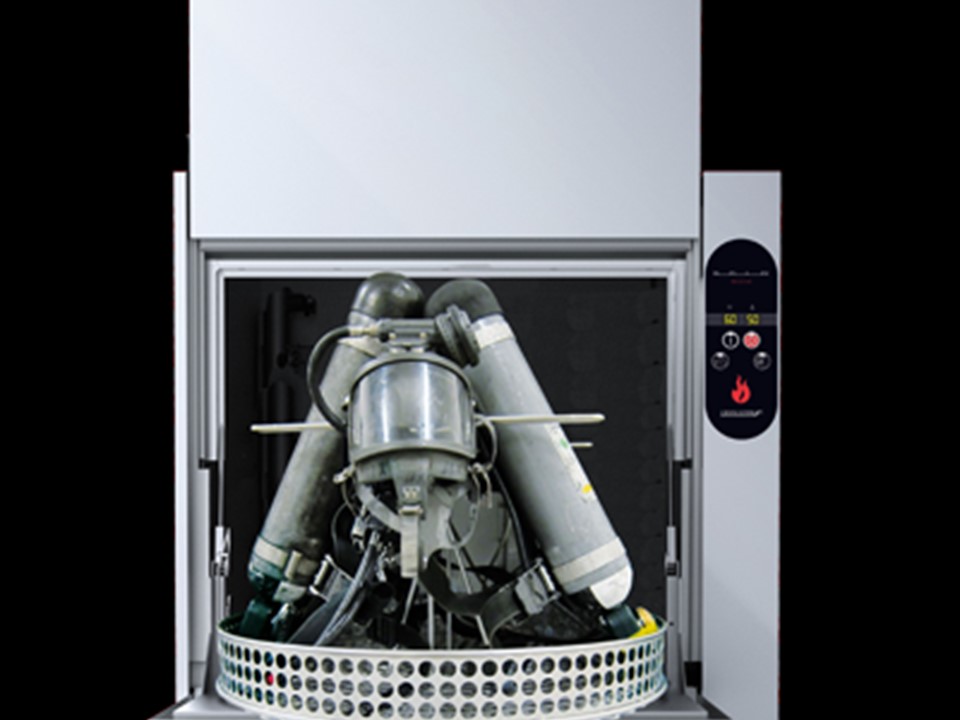
Protecting Your Fire Department’s Investment In PPE
Protect Your Department’s SCBA Investment with The Solo Rescue Decon Washer Shouldn’t there be a better way to clean and decontaminate your department’s SCBA? Especially when one considers that the cost of one SCBA unit can be three to five times the cost of one set of PPE (jacket and pants)? There is! The Solo Rescue Decon Washer from RESCUE Intellitech!