fire
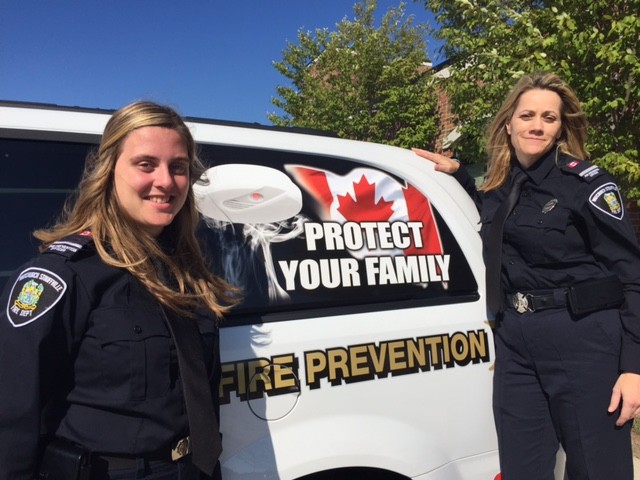
National Fire Prevention Week 2020: 8+ weeks and counting
National Fire Prevention Week for 2020 begins October 4th and continues through October 10th. And it’s going to be much…

Interior Firefighting is Becoming Obsolete—We Just Don’t Know It
I’m not saying that firefighting as a whole is becoming obsolete, but I am proposing that we need to get out of the “pot” before we become boiled. Our approach to interior structural firefighting needs some serious restructuring lest we will only see more firefighters encountering flashovers upon arrival, structures weakened to their collapse point before firefighters arrive, and firefighters developing cancers more frequently from airborne and skin exposure hazards.
Why are We Cell Phone Hypocrites?
If it’s good enough for the employees of Exxon-Mobil—pay attention to driving and don’t talk on your cell phone—it’s certainly good enough for those of us in public safety—the people who have to deal with the aftermath of poor decisions that people make on a daily basis. Let’s all “get on the stick”: Hang up and drive!
What They Don’t Know, But We Do
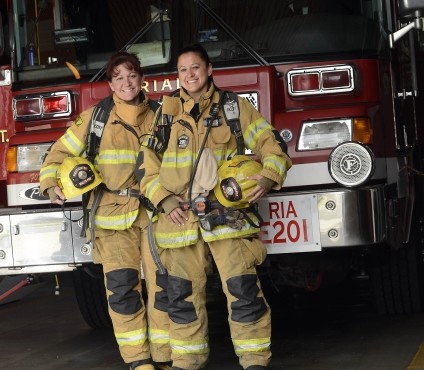
We're not "carrying the day" with effective public fire and life safety programs that provide the factual information about residential fire sprinklers. We're allowing the builders and developers to promulgate the "half-truths" and myths.
Let’s Use Social Media to Promote Successes!
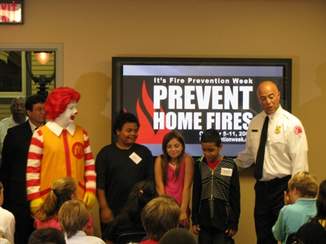
Fire departments should make greater use of social media to promote the success of fire and life safety education efforts such as when the residents of a home fire safely escape because they had working smoke detectors and a Home Fire Escape Plan that they had practiced.
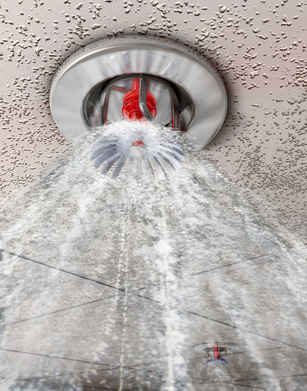
5 People Die for Lack of Residential Fire Sprinkler System
Without a residential fire sprinkler system, this fire quickly grew to a size and magnitude that engulfed the majority of the structure before the first firefighters even arrived on scene. Those firefighters were faced with an overwhelming situation from the very beginning.
How Do We Reach the “Tipping Point” for Residential Fire Sprinklers?
We want to eliminate preventable fires and the resultant deaths and injuries and property losses in the United States, right? Of course we do. But to make the attainment of that goal a reality we have to recognize that there are still a couple of significant obstacles to us reaching the “tipping point”.
Residential Fire Sprinklers: The Power of Words
We’ve got to stop ignoring the “elephant in the room” when it comes to fires in the United States, particularly in residential properties: we live in a culture that accepts that fires happen, fires kill and injure people, and fires destroy property.
Save Firefighters FIRST
Live with it. The insinuation in such comments is that a "me first" mindset on the part of every firefighter has no part in the fire service culture. Nothing could be further from the truth. If we, as firefighters, are not protecting ourselves or our brother or sister firefighters first to prevent injuries or deaths, then how are we able to accomplish the mission of saving lives if we become victims ourselves?
A New Stop Fires Paradigm
Why do we keep building homes and installing appliances and furnishings that don't keep fires from starting and spreading? A new stop fires paradigm is needed to eliminate preventable fires in the USA. We've made safer cars for years, why not safer homes?

Fire Service Legend Pens 1st Book
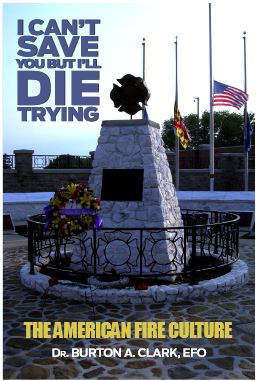
Dr. Clark’s book is a compilation—an anthology if you will—of his writings on the above topics over the course of the last 40 years. If you’ve missed the opportunity to “tap into” the brilliance of one the premiere fire service leaders of the past several decades, Dr. Clark’s book is a great way to get your “homework” done, albeit a little late.
Fire Prevention and Suppression: The Fire Service’s Identity Crisis
Driving a car once was an extremely dangerous activity for the average person (and it still is for people that don’t give it their full attention). In the United States, we’ve made significant reductions in the mortality and morbidity statistics associated with motor vehicle crashes and we’ve done it through education, engineering, and enforcement. We’re far past the time when we need to put more of our energies and efforts into those “3-E’s”—way more!—when it comes to eliminating preventable fires in our communities.