Uncategorized
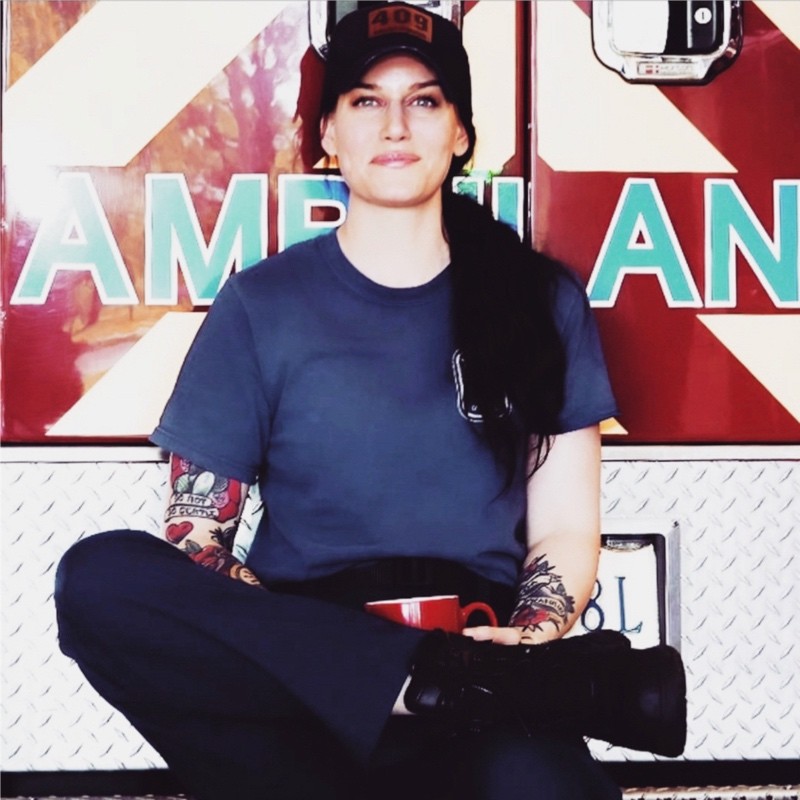
Today is National Employee Resource Group Day
By: Stephanie White, Firefighter/Paramedic and Guest Blogger Or at least that’s what my LinkedIn feed is telling me [National Employee Resource Groups Day 2024 was November…
We can all help prevent death and injury to children from firearms
The holiday season is upon us in the U.S. and Canada and that means children will be spending more time at home as many schools take breaks for the Thanksgiving (U.S.) and Christmas holidays. Thus, I’ve updated my original article and am sharing it today in hopes of preventing an unintentional shooting, especially one involving a child or teen.

Why I write
I write because I want people to think, especially about what they don't know. My aim is to inform, educate, and challenge readers to encourage them to engage with new ideas. In return, I learn from their feedback.
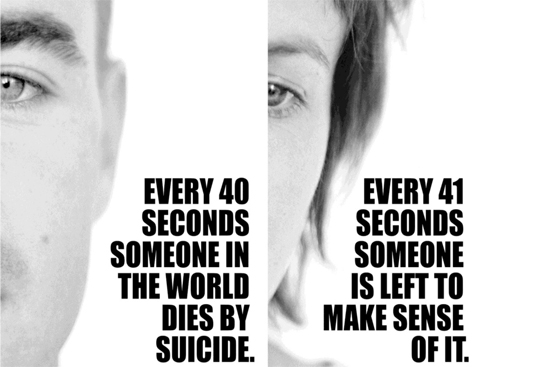
Understanding Firefighter Suicide: A Call to Action for the Fire Service
Today’s Firefighters face unique and intense challenges that can significantly impact their mental health. The nature of their work exposes them to traumatic events, physical danger,…
The inspiration to write a blog can come from just about anywhere
I’m often asked why I continue to write and publish on this blog that I started in 2010. I, myself, sometimes wonder about the same thing…
Fire Service Psychology: Where are the major fire service organizations?
In the bustling world of firefighting and emergency services, there’s a long-lost sister—a quiet advocate working tirelessly behind the scenes. Her name? Fire Service Psychology Association (FSPA). Dr. Kristen Wheldon, Psy.D is the President and Founder of FSPA, and has been championing her cause, but why haven’t the major fire service organizations rushed to embrace FSPA? Let’s explore this intriguing question.
The Role Industrial/Organizational Psychologists Should have in Fire and EMS Departments
Industrial/organizational psychologists specialize in understanding human behavior within the workplace. They apply psychological principles and research methods to improve various aspects of work environments, including performance, communication, job satisfaction, and safety [1]. Here’s why fire and EMS departments should consider integrating I/O psychologists into their teams.
Ode to an officer and a gentleman
Today I learned of the passing of a former friend and colleague from my days with the Chesterfield (Va.) Fire and EMS Department, Lieutenant (Ret.) Bobby…
Is Safety Stand Down 2024 really addressing the basics?
I'm also not sure how these five topics address "back to basics." To my mind, this year's Safety Stand Down should be using the five days to address firefighter safety issues that continue to plague the fire service across the board after decades (e.g., lack of seatbelt use, lack of accountability systems, not wear PPE correctly or appropriately). Building the Foundation of a Training Program; Assessing the Needs of the Community and Department; Safety During Training; Physical and Behavioral/Mental Health Considerations; and the 12 Foundations of Fire Department Training.
Take Full Advantage of Fire’s Diamond Time
In doing some research online regarding firefighter safety, I came across this "oldie but goodie" from one of the legends of the fire service in the U.S., the late Ronny Coleman. For firefighters and officers of a certain age, we grew up with Chief Coleman particularly as we read his classic monthly column in the old Fire Chief Magazine (the hard copy), The Chief's Clipboard. For me, reading that column provided my first real taste of officer development as I'd just been promoted to a company officer position in my department, the Chesterfield (Va.) Fire and EMS Department, nee the Chesterfield Fire Department. This was one such column.
NFPA 1407: 14 years later, what’s your RIC policy?
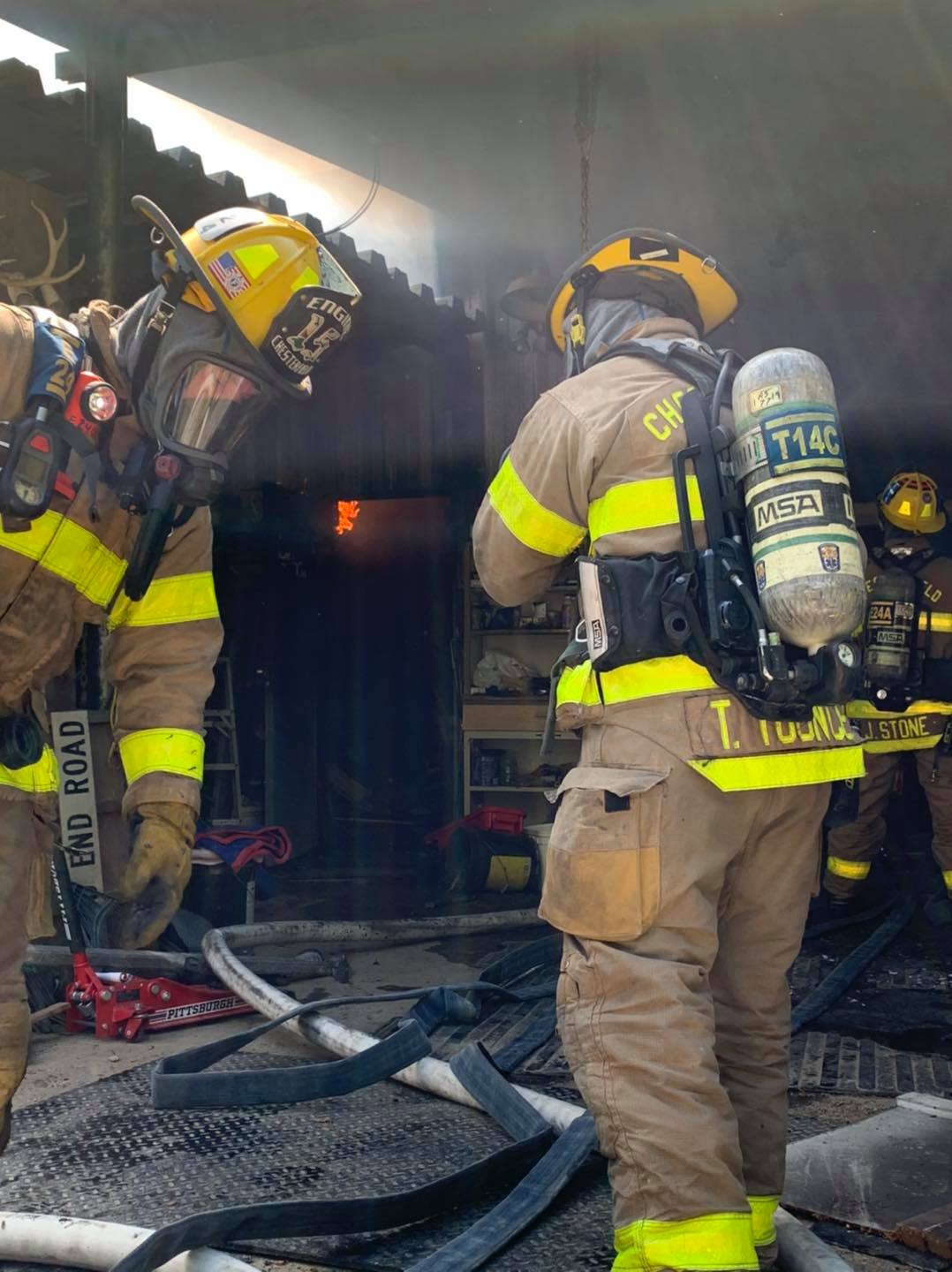
In the fourteen years since its initial publication, NFPA 1407 has been a big part of fire departments elevating the "status" of the RIC as a critical fireground task assignment on par with that of search, fire attack, ventilation, and laddering. While this has been a positive step in the right direction regarding firefighter safety, the RIC is a "reactive" approach to firefighter safety. The RIC is in the "background" until something goes wrong (e.g., a firefighter becomes lost, entrapped or otherwise endangered). The presence of the RIC can also provide a false sense of security, especially when the RIC consists of only two firefighters.
Why join the Fire Service Psychology Association if you’re in the fire service?
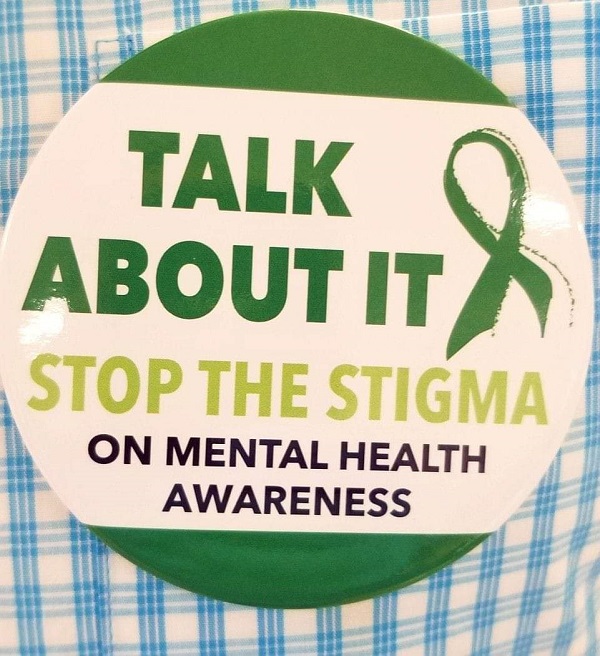
I've been a fire service member of the Fire Service Psychology Association (FSPA) since 2018 and it's been an informative, educational, and fulfilling experience seeing how fire service leaders and psychologist and other mental health clinicians are working to "build a bridge between professional psychology and the fire service." However, in the five-plus years I've been a member of FSPA I never really gave serious thought to "Why did I join FSPA?"