Firefighter Safety
Fireground safety, incident management, rescue operations and line-of-duty risk.
Why are We Cell Phone Hypocrites?
If it’s good enough for the employees of Exxon-Mobil—pay attention to driving and don’t talk on your cell phone—it’s certainly good enough for those of us in public safety—the people who have to deal with the aftermath of poor decisions that people make on a daily basis. Let’s all “get on the stick”: Hang up and drive!
Storms, Public Safety, and Social Media
Social media tools such as Facebook, Twitter, Instagram, Pintrest and others have become THE way that people share information and expect to get information before, during, and after a natural or man-made disaster. I truly believe that and I also believe this: any public safety agency that doesn’t understand and fully embrace my previous statement is going to have a “rough row to how” during and after their next “big one.”
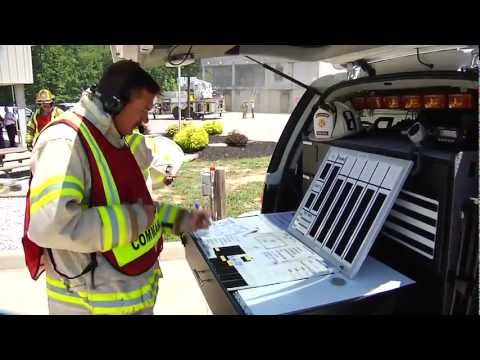
4 Steps for Better Portable Radio Communications
Good radio communications are critical for safe, efficient and effective operations on the emergency scene. How many times has poor incident communications been cited as a significant factor in NIOSH investigations of firefighter fatalities on the fireground?
Obstruction of Suppression (Or Any Fire Department Operation)
Firefighter Jones was caught off-guard by this aggressive action (physical assault) on the part of the homeowner. After shoving Firefighter Jones to the ground, the assailant (homeowner) moved away from the scene and was subsequently detained by local law enforcement.
The Stigma of Firefighter Suicide
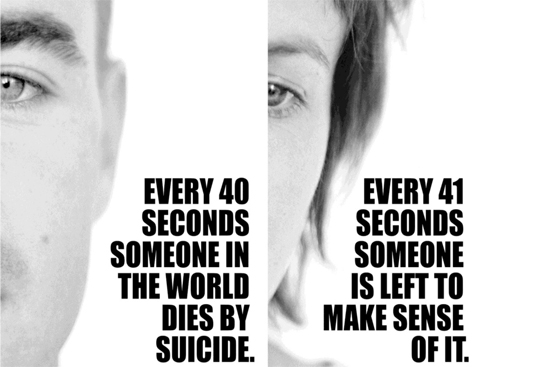
So how do we in the fire service become better at recognizing that one of our own is “drowning”? How do we get better at asking for help? How do we get better at providing help?

Warm Weather Firefighter Rehabilitation
Prevention of dehydration and hyperthermia should be a key concern for both Incident Commanders in the field as well as Training Chiefs responsible for the safe training of both entry-level and incumbent firefighters.

Stop Sexual Assaults and Rape on Women Firefighters
I, for one, am growing very tired of words like, "wrestling, grappling, struggling, etc.", being used to describe the misogynist attitudes that still exist in too many fire departments four decades after some of the first female firefighters came on the job.
Changing Safety Behaviors: How Long Will it Take?
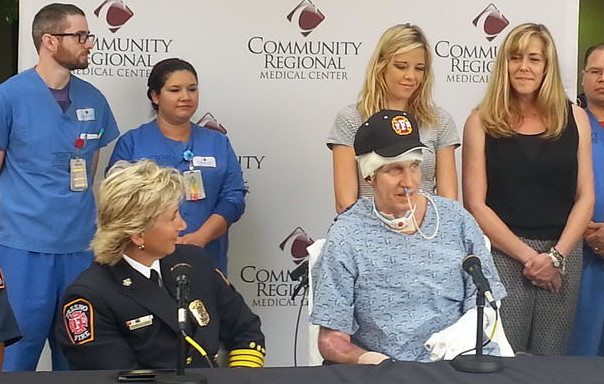
The necessary changes in the way that fire departments operate to reduce firefighter deaths and injuries continues to move at a "glacial pace." How long before we really change our safety behaviors?
Having PTSD is not a “Fireable” Offense!
With a clearance from the doctors and a personal determination to return to work earlier this year, things were looking up for Nathalie until her employer decided they did not want to risk taking her back and abruptly terminated her employment cutting off all income and support. How shameful is that?
What I’ve Learned by Reviewing Firefighting Videos
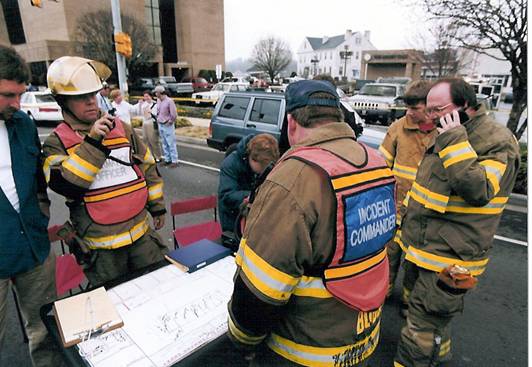
We have more access to “real world” fire video because of mobile recording devices and the Internet, but how much are we really taking advantage of this wealth of information to get better at doing the job more safely, efficiently, and effectively?
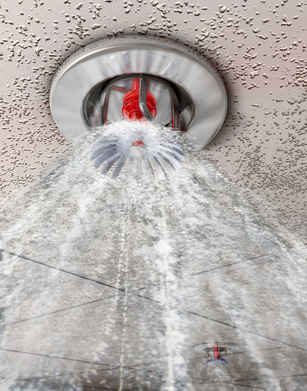
Residential Fire Sprinklers: The Power of Words
We’ve got to stop ignoring the “elephant in the room” when it comes to fires in the United States, particularly in residential properties: we live in a culture that accepts that fires happen, fires kill and injure people, and fires destroy property.

Firefighter Exposures to Diesel Emissions and How to Reduce the Exposure
An emerging area of related study is on the topic of firefighters and officers being exposed to the Big Fire Truckgases and particulate matter from a source that’s found in every fire station around the world: the diesel-powered fire apparatus out in the apparatus bay. The exhaust from diesel engines contains a mixture of gases and very small particles that can create a health hazard when not properly controlled.