Fire Service Management
Running a fire and EMS organization: management science, legal issues, risk and customer service.
Legacy in Action
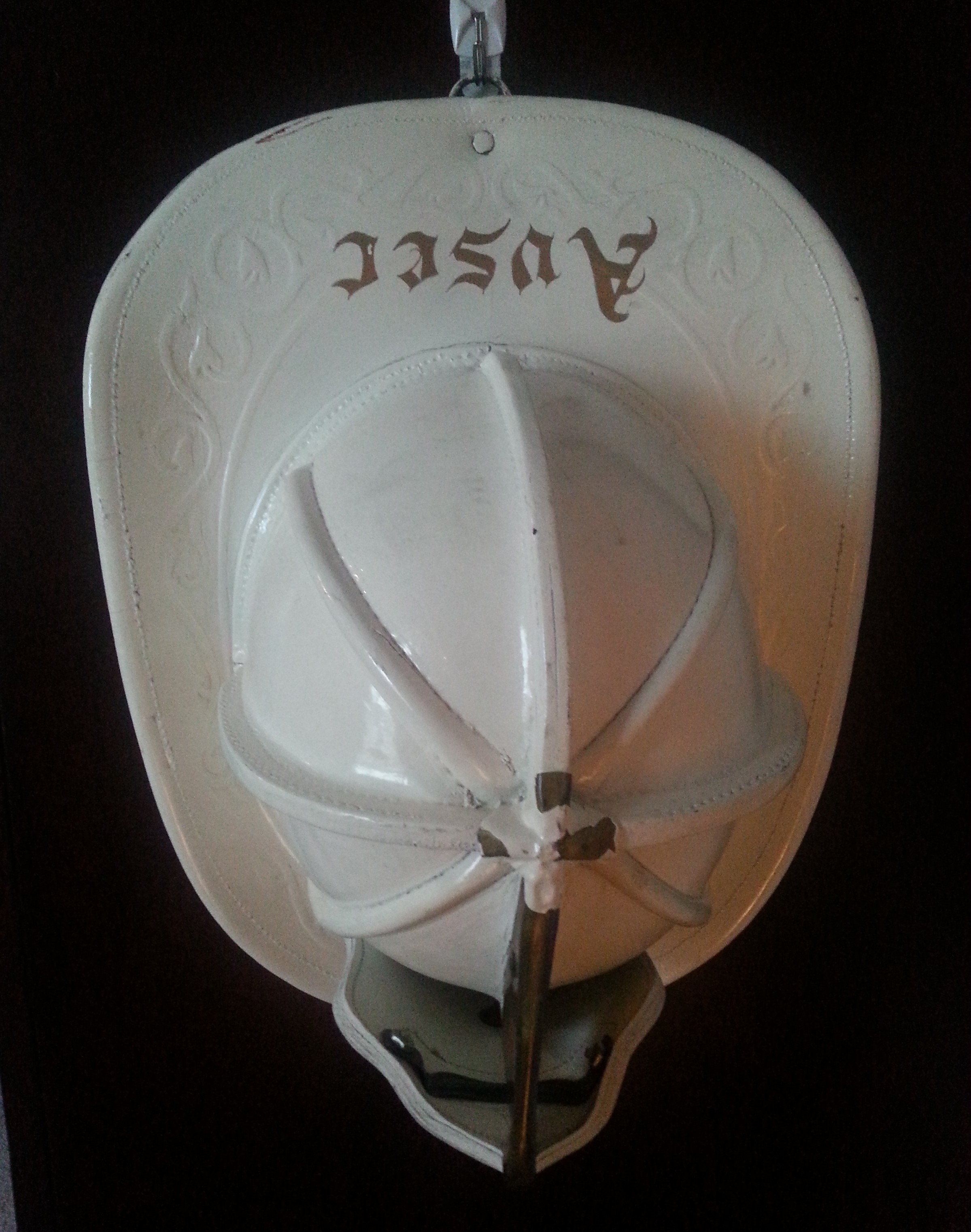
Each of us who serve in the fire service, especially those of us privileged to have a leadership position, wants to leave a legacy. We want to feel that our time, energy, and contribution will have a lasting positive influence of the organization long after we hang up our helmet for the last time. I think this is especially true for those of us who—in addition to holding an officer rank—also embraced our roles as a teacher, coach and mentor
3 Tools for Sharing Organizational Knowledge
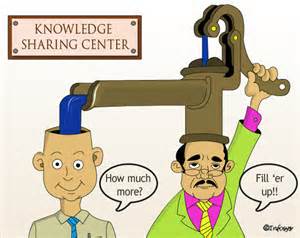
So how can we in the Fire & EMS profession more proactively “capture” such knowledge before it “walks out the door” with the next retiree? Let’s take a closer look at some of our “old and reliable” information management tools: policy, procedure, and processes. Frequently, we use these terms interchangeably, but they are not synonymous at all. However, if we understand how the “fit” together, we will find that they can serve as powerful tools to help transfer organizational knowledge from one generation of members to another.
The Genesis of a Fire Service Leader Network
With my acceptance into the program, I joined a cohort of 21 other members who are newly appointed fire chiefs and aspiring fire chiefs from around the nation. Before our first session in May, retired Fire Chief Mary Beth Michos, the coordinator for FSEDI, sent out biographies of each cohort member. As I read through the other 21 biographies, I was “floored”, awed, daunted, and honored. Impressive is an understatement for the biographies. I fumble to find the right word to describe the group of individuals I was reading about: remarkable, inspiring, extraordinary, amazing… No pressure.
Fire Department in Danger After Levy Fails
As Dr. Phil says, “It’s time to get real!” Fire departments must stop trying to provide a model of fire protection—one that’s predicated on saving lives and property through the reactive deployment of firefighters who implement an interior fire attack the majority of time—when the department does not possess the resources to do so safely, effectively, and efficiently according to accepted standards and practices, e.g., NFPA 1710 or NFPA 17.
Being the First-line Supervisor Ain’t Easy
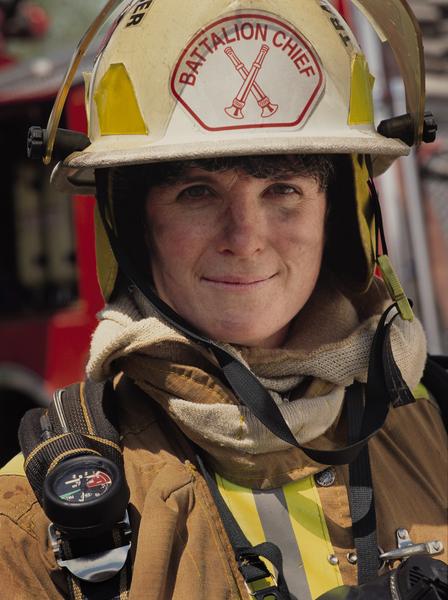
The company officer (first-line supervisor) is the toughest "gig" in any fire department, but too many of those officers make it harder than it needs to be by not wanting "to be the bad guy", i.e., the officer who follows policy and procedure and makes everyone else follow them as well.
Finding Your Funding
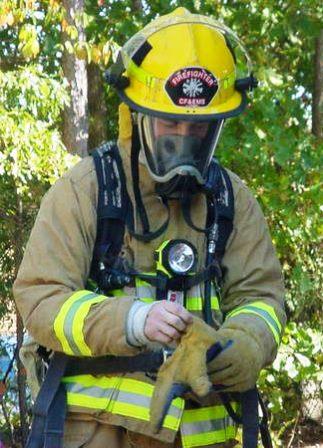
Once upon a time…with a beginning like that you just know this is going to be a good story, right? Well the good news is that it’s not a fairy tale. It is, however, the fictitious story of how a fictitious municipal fire department, the Cutting Edge County Fire and Rescue (CECFR) Department, created a non-profit organization (NPO) to provide financial support to its customer service efforts. It serves as a model for actual departments to follow.
11 Resources for Funding Fire and EMS
By: Robert Avsec, Executive Fire Officer Thank you to my Guest Bloggers, Branden Husky and Charles Snyder, for their contributions to this space over the past…
7 Steps for Better Professional Networking
Networking is the lifeblood for your professional life, but how can you effectively and efficiently network in the digital age? It can be relatively easy if you have an action plan and that’s my purpose with today’s post: Help you to develop an action plan for your professional networking.
Making Firefighter Safety Job #1
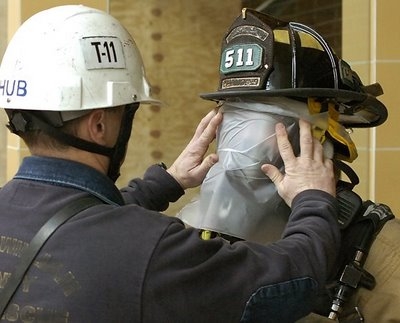
Reducing firefighter deaths and injuries is, or should be, a top priority for all fire departments in the USA in 2014. The 16 Lifesafety Initiatives from Everyone Goes Home provide the framework for a department to develop strategies for making the job of a firefighter safer, more effective, and more efficient. This article takes a closer look.
Changing the Fire Service Culture
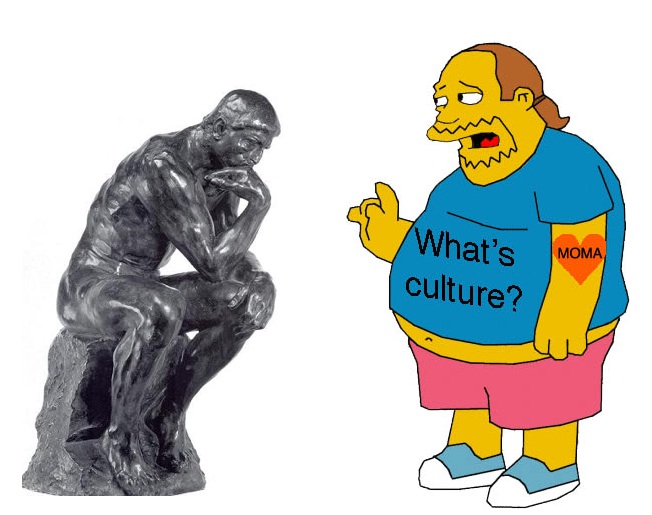
But changing a fire service organization’s culture is not as easy as changing the type of hose that your department carries on its fire apparatus. That’s because making changes to the culture—that mix of rituals, values, and traditions that defines a group—is tricky business and frequently messy. The current culture persists because it’s one of the main ingredients in the glue that holds the organization together. Culture exists in the “space” between people, not just in any one individual or small group of individuals.

Sexual Assault and Rape in Fire Service
In this latest installment of Reader “Mailbag” I’ve collected several of the reader comments in response to the blog post, The Sexual Sexual Harassment Strike OutAssault and Rape of Women Firefighters: Survey Results. I gleaned the representative comments from across the various social media platforms where this blog appears, e.g., LinkedIn Groups, Facebook, and Twitter.

5 Ways McDonald’s Can Help Improve Your Department
While waiting for Mrs. Avsec to finish a dental appointment the other day, I slipped across the street to a McDonald’s restaurant in Dunbar, West Virginia to get a drink, a hot apple pie and use their free Wi-Fi to get some writing done. While looking around a bit, I saw things and thought of things that prompted these five thoughts on how what McDonald’s does could help any Fire and EMS organization to recruit and retain more people.