Equipment & Technology
Apparatus, gear, stations and the technology fire and EMS departments rely on.
What Every Fire Officer Must Know About Driver Safety
Information overload has come to the fire apparatus cab. Mobile data computers and tablets are being used by the company officer to access driving directions, building pre-fire plans, hazardous materials information and much more.
7 Reasons Fire Trucks Catch Fire
Commercial truck fires present a serious fire risk, right? The American Trucking Association's Technology and Maintenance Council (TMC) thought so when it established a task force to investigate the causes of commercial truck fires and prescribe possible solutions.
Fire Truck Air Filters 101
Preventative vehicle maintenance for emergency response apparatus has proven to be a very cost-effective fleet-management practice. A comprehensive preventative-maintenance program can extend apparatus service life by ensuring proper and protected air intake for the engine; ensuring that the engine and transmission are properly lubricated with clean oil and fluids; and catching small maintenance problems while they can be easily and inexpensively fixed.
3 Levels of Cleaners to Keep the Firehouse Bug-Free
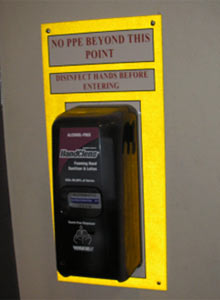
The fire station is a hazardous place to live and work. News reports often have stories of firefighters dying from illnesses contracted on the job and last year the Centers for Disease Control reported that deaths from MRSA now exceed those caused by the human immunodeficiency virus in the United States.
What’s New in Fire Investigation Tools
The investigation of fires to determine origin and cause, as well as evidence of arson, is a critical function for any fire department. In addition to putting criminals behind bars, accurate determination of origin and cause can provide fire department leaders with valuable information about fire trends in their community, such as by occupancy or building construction type.

10 Things to Look For in a Fire Helmet Camera
Helmet-mounted video cameras are all the rage these days, from snowboarders zooming down the slopes to firefighters disembarking their apparatus to make fire attack on a structure fire. The manufacturers of these mighty midgets continue to make their products smaller and lighter and packed with operating features.
Old Fire Trucks: Repair vs Replace
A fleet of fire apparatus is a huge capital investment for a fire department. The decision on whether to make additional investment to repair a vehicle or to purchase a replacement is a large component of that investment. It is a decision that should be based upon objective criteria supported by objective data.

Get the Right EMS Bags
Do you ever look at a piece of clothing's label and see, "one size fits all" and think, really? We all know that there's no such thing as one size fits all for most clothing and the same can be said for EMS gear bags.

Roof Ladders: Use and Care
As with any fireground tool, knowing how to use and care for roof ladders is key to safe and effective operations
How to Buy Bunker Gear Washing Machines
The publication of NFPA 1851, Standard on Selection, Care and Maintenance of Protective Ensembles for Structural Fire Fighting and Proximity Fire Fighting, has led to an increased awareness among firefighters for the need to have turnout clothing laundered regularly. But awareness is not enough.
Steps to Keep Air Brakes Working in Winter
A frozen brake line can take a rig out of service for hours, maybe days depending on a department's maintenance capabilities. Frozen lines and other problems are preventable, but first, we need to know how they work.
The Skinny: Specialized Firefighting Vehicles
Some emergency scenarios require specialized vehicles to move patients or attack fire; here's a look at what's on the market and how to make the best choice.