Equipment & Technology
Apparatus, gear, stations and the technology fire and EMS departments rely on.
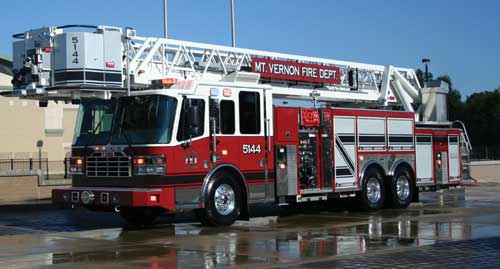
Should all fire trucks carry water?
The general public doesn't know the difference between an engine and a truck. They just know that they've called 911 to report a fire. And when that first piece of fire apparatus appears on scene, they expect that firefighters are going to start applying water to the fire. Perception is reality.
5 Ways Officers can Keep Firefighters Safe
Nobody in a fire department’s chain of command should have more influence on the safety performance of its firefighters than the individual company officer. Think about…

7 Steps for Better Professional Networking
Networking is the lifeblood for your professional life, but how can you effectively and efficiently network in the digital age? It can be relatively easy if you have an action plan and that’s my purpose with today’s post: Help you to develop an action plan for your professional networking.
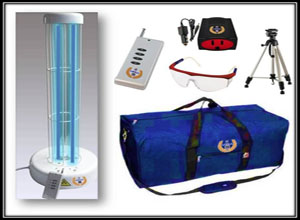
Ultraviolet Germicidal Irradiation for EMS
The use of UVGI in the fire station environment for sanitizing and decontamination has several attractive features. UVGI light is clean and green (no potentially harmful chemicals that require special use and protective equipment). There are no dangerous odors or residues from harsh cleaning agents to affect staff or patients and offers decontaminated spaces can immediately be reoccupied (less downtime for ambulances).
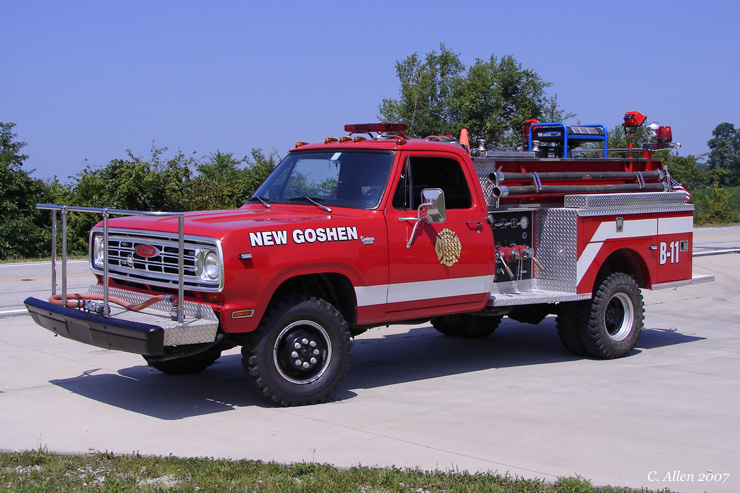
Rebuild vs replace: firefighting brush trucks
Many areas of the country, particularly those affected by sustained drought conditions, are seeing increased use of Type III or Type VI engines, also known as the brush trucks . And when a brush truck sees service it's typically a hard run — operating in dusty and dirty conditions, over undulating terrain and in all types of vegetation can really take a toll on these vehicles.
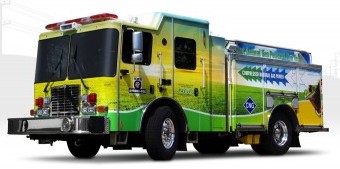
5 game-changing fire truck technologies
Here are five game-changing technologies in fire apparatus that will have a major influence on firefighter safety, efficiency and operations for years to come.

Every fireground leader must be a safety officer
Nobody can, or should, have more positive influence over the behaviors of a firefighter on the emergency scene than his or her tactical leader.
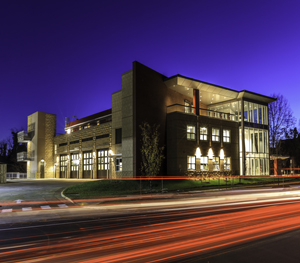
20 LEED elements used at innovative Va fire station
The Charlottesville (VA) Fire Department is opening a new fire station that uses innovative "green" technologies to minimize its carbon footprint and save money in operational costs.
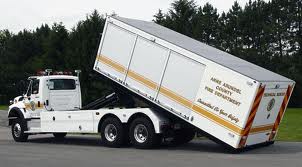
5 reasons to consider a modular fire truck
While not as popular as in Europe, swap-body modular apparatus have a definite place in the U.S. fire service
How to solar power a fire truck or ambulance
Solar-capturing technology has made it easier to keep fire truck and ambulances fully charged without leaving them running, and saves money.
5 reasons to consider a modular fire truck
There are a couple of realities for fire departments when it comes to vehicles and equipment for emergency responses: fiscal resources are tight and vehicles have to be able to multi-task. Related Article: Size matters: Smaller apparatus provide function and economy Related content sponsored by: One option could be swap-body or roll-off fire apparatus. Another might be a concept used in European fire services: modular compartmentation.
Why NFIRS Matters
We know it’s a problem. It’s always been a problem. However, NFIRS information influences countless prevention campaigns, safety product development, code development, and a host of other areas so it is far past time to take NFIRS seriously. We must set complaints of data quality aside and take action.