risk reduction
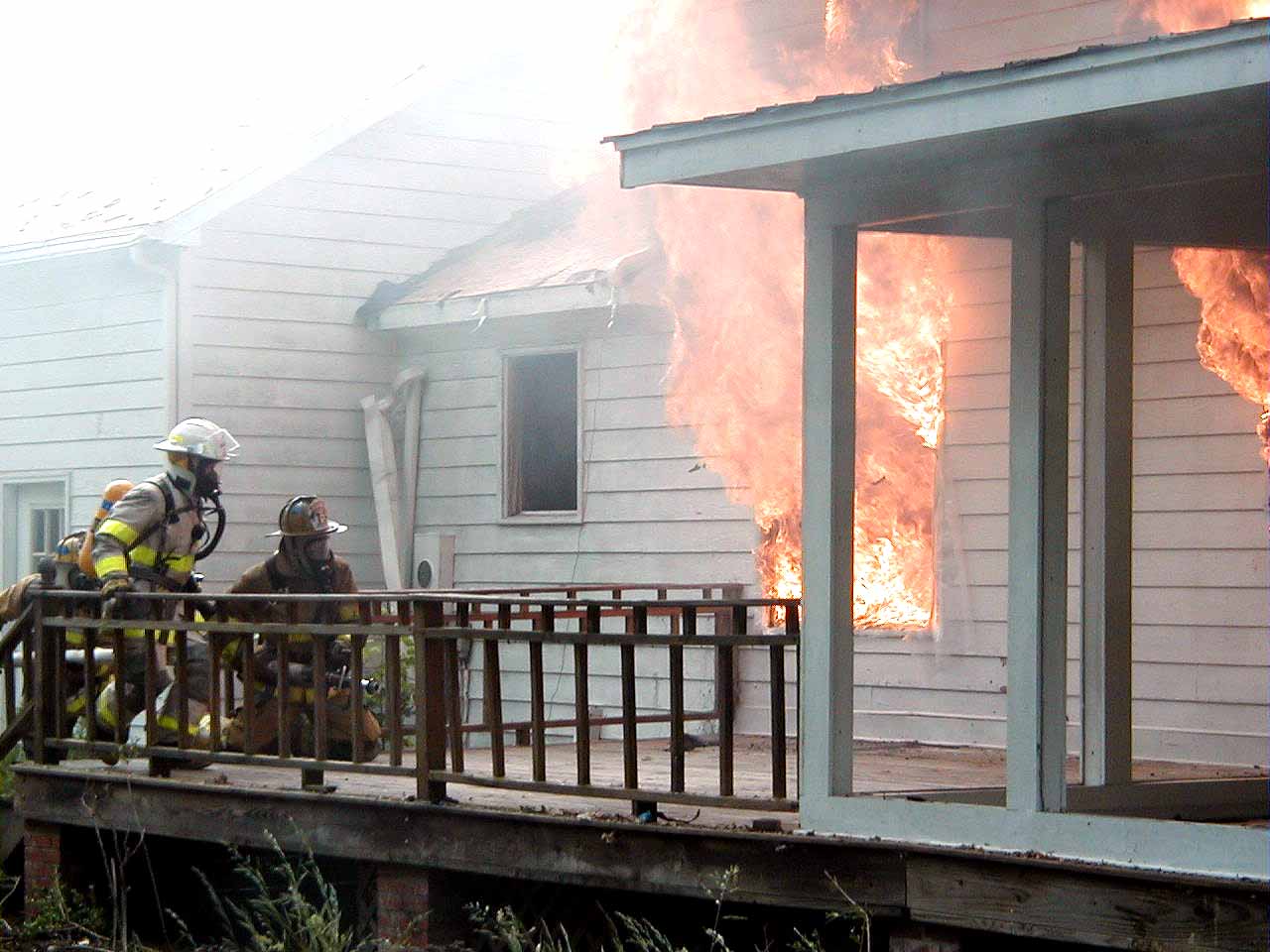
What’s wrong with this picture?
A couple of years ago, I wrote a piece entitled, Stop Romanticizing Firefighting. Apparently some people didn’t get the memo.…
Reducing Organizational Risk in Your Fire and EMS Department
Firefighters and officers behaving badly. There are probably hundreds of causative factors at work, and while I'm not a trained sociologist by trade, I'm going to discuss a couple that really stand out in my mind: the use of social media and "helicopter parenting".
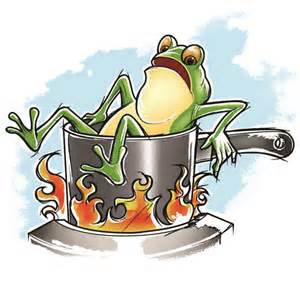
Interior Firefighting is Becoming Obsolete—We Just Don’t Know It
I’m not saying that firefighting as a whole is becoming obsolete, but I am proposing that we need to get out of the “pot” before we become boiled. Our approach to interior structural firefighting needs some serious restructuring lest we will only see more firefighters encountering flashovers upon arrival, structures weakened to their collapse point before firefighters arrive, and firefighters developing cancers more frequently from airborne and skin exposure hazards.

3 Giant Steps for First Responder Mental Health Issues
Too many firefighters and EMS providers still adhere to a mind-set that mental health issues are something that happens to other people, but not them. Because to believe otherwise requires them to admit their own human frailties. They rely on this sense of denial about the realities of mental health risks as a “shield”, but it’s a “paper shield” at best.
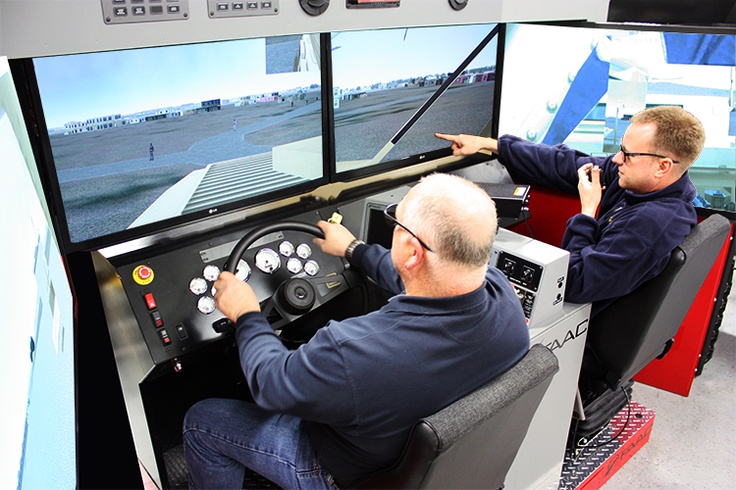
EVO Program: Regulating Your Fire Department’s Driving Risks
Several years ago, at a fire service conference, I attended a session on reducing risk in fire departments. The presenter,…

Firefighter Health: Less talk and more action is required
I’ve always believed that the most important aspect of better firefighter health and safety is the person who uses the equipment: the firefighter. The personal behaviors of the individual firefighter will always have the greatest influence on firefighter health and safety.
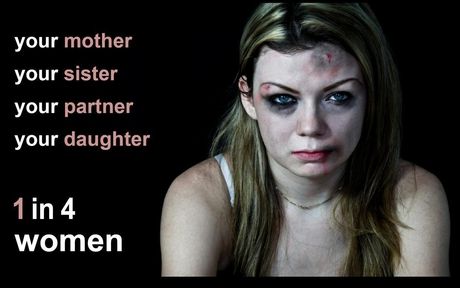
Stop Sexual Assaults and Rape on Women Firefighters
I, for one, am growing very tired of words like, "wrestling, grappling, struggling, etc.", being used to describe the misogynist attitudes that still exist in too many fire departments four decades after some of the first female firefighters came on the job.
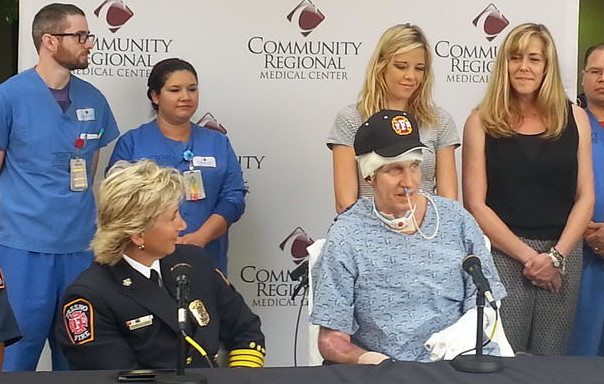
Changing Safety Behaviors: How Long Will it Take?
The necessary changes in the way that fire departments operate to reduce firefighter deaths and injuries continues to move at a "glacial pace." How long before we really change our safety behaviors?
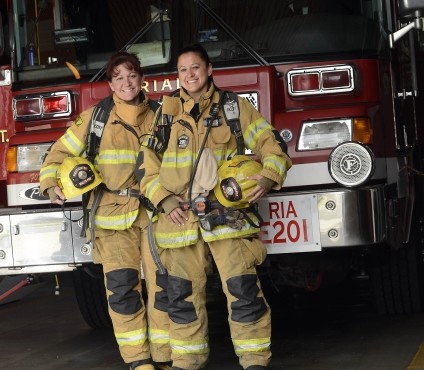
What They Don’t Know, But We Do
We're not "carrying the day" with effective public fire and life safety programs that provide the factual information about residential fire sprinklers. We're allowing the builders and developers to promulgate the "half-truths" and myths.
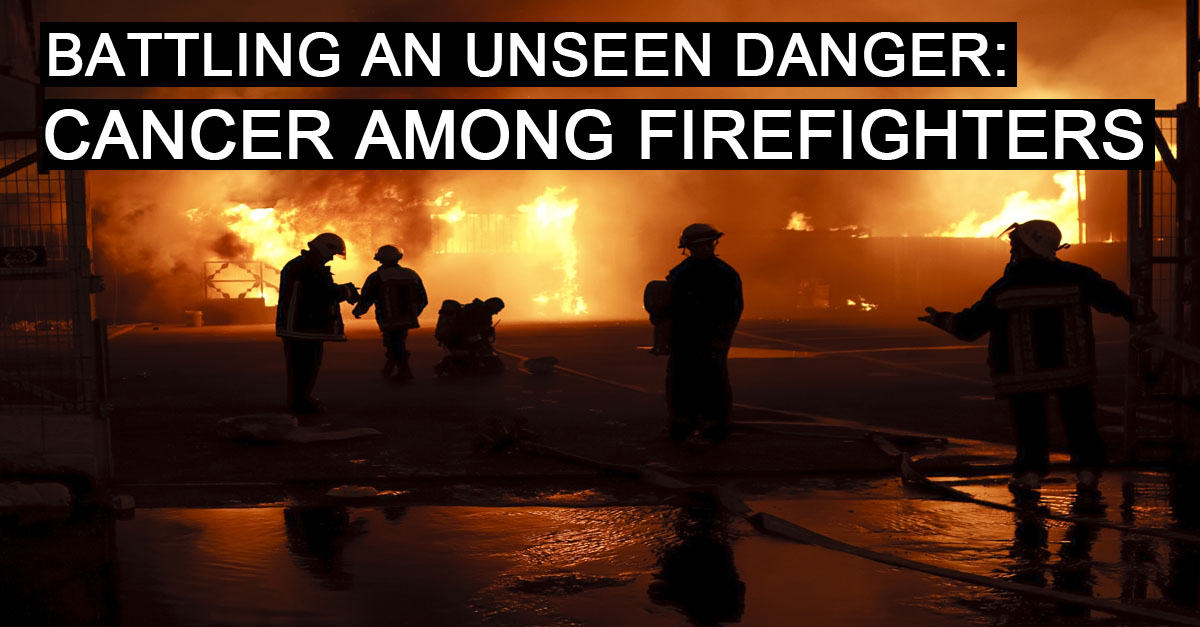
Firefighters and Cancer
A powerful piece of prose about one firefighter's "come to Jesus" moment with firefighters and cancer. An equally powerful message about how everyone in the fire service needs to "get on the bus" concerning firefighting and the dramatically increased risk of developing cancer we--and our families--face.

Fire Service Legend Pens 1st Book
Dr. Clark’s book is a compilation—an anthology if you will—of his writings on the above topics over the course of the last 40 years. If you’ve missed the opportunity to “tap into” the brilliance of one the premiere fire service leaders of the past several decades, Dr. Clark’s book is a great way to get your “homework” done, albeit a little late.
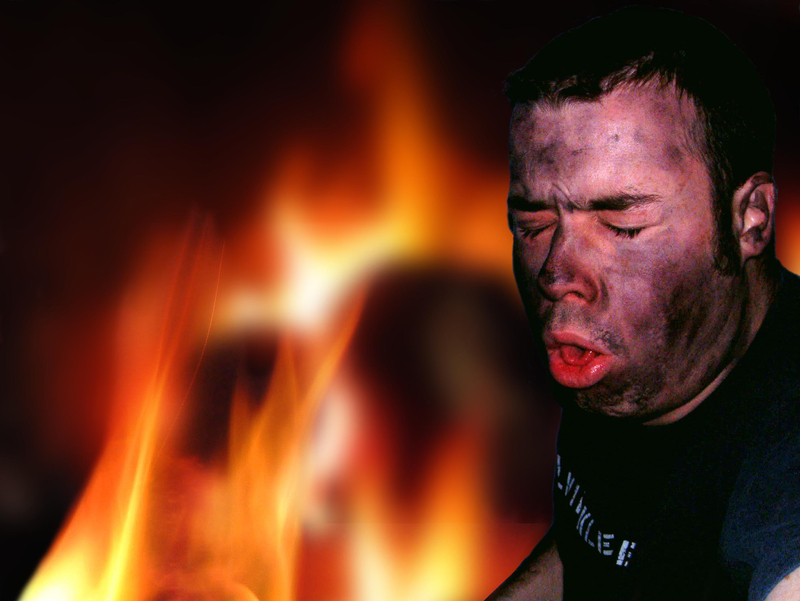
What You Don’t Know About Fire Smoke Can Hurt You
There will never be an absolute method for preventing exposure, but there are tactical measures that can lessen the exposure. With presumptive legislation available in many states to care for firefighters stricken by illness and disease, there will most likely come a day when that legislation WILL NOT be available if departments are not employing prevention standards. Just something to think about.