Social Media in Fire/EMS

Digital Networking in 2025: More Than Just a Profile
What does “digital networking” really mean today? I won’t pretend I’m a guru (though I did once survive a conference hotel breakfast buffet). What I do…
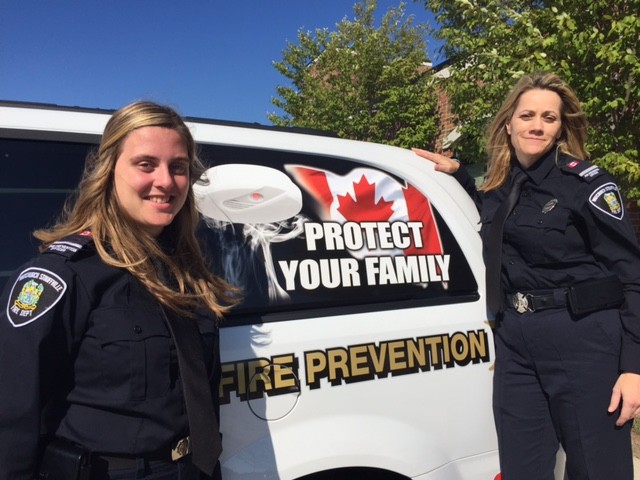
National Fire Prevention Week 2020: 8+ weeks and counting
National Fire Prevention Week for 2020 begins October 4th and continues through October 10th. And it’s going to be much…
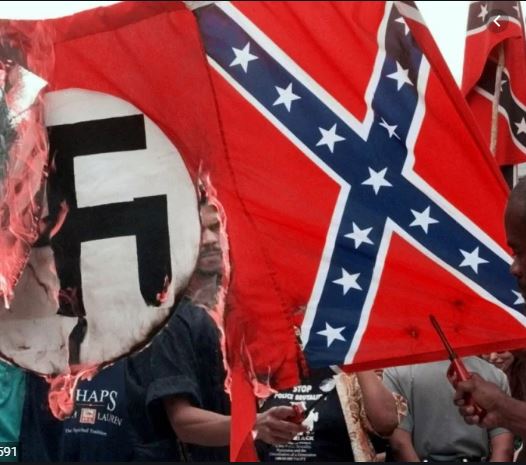
Who’s training your newest people?
And West Virginia Governor Jim Justice and most West Virginians were not thrilled either. Three weeks after Gov. Justice ordered an investigation by the director of the West Virginia Department of Military Affairs and Public Safety (DMAPS), he announced that all 34 correctional officer cadets from the class and three academy staff members would be fired, and four instructors suspended without pay.
Reducing Organizational Risk in Your Fire and EMS Department
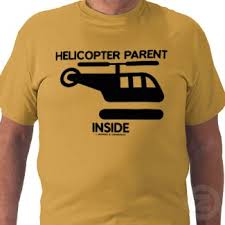
Firefighters and officers behaving badly. There are probably hundreds of causative factors at work, and while I'm not a trained sociologist by trade, I'm going to discuss a couple that really stand out in my mind: the use of social media and "helicopter parenting".
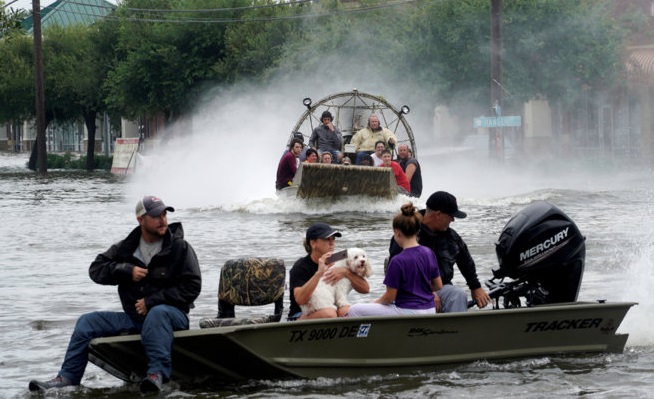
Hurricane Harvey: Another Hurricane, Another SNAFU
Once again, we’re seeing massive numbers of people being rescued from neck-high-deep water, from the rooftops of homes, and tens of thousands of people being housed in emergency shelters. And yet again, we’ve seen what happens when state and local governments send ambiguous and conflicting messages to the general public regarding emergency evacuations.
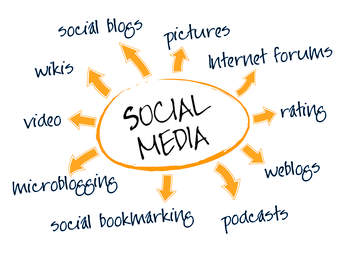
Are you ready for a social media crisis in your fire department?
Every fire department is only one poor employee decision away from a social media crisis; the higher up in the organization that individual is will have a direct influence on how serious the crisis will be.
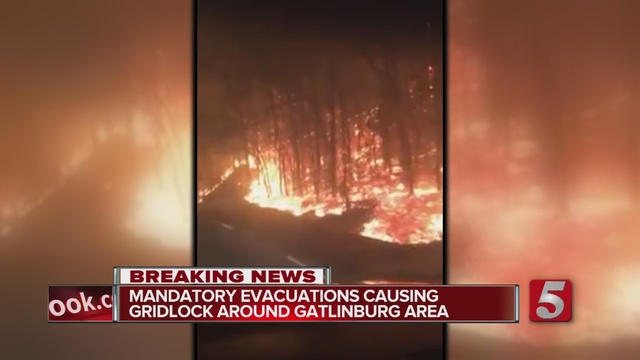
Tourists: 3 Strategies for Protecting Them During Wildfires
One of the lessons to be learned from the eastern Tennessee fires is that fire departments and their communities can do a better job of proactively providing emergency information to an often-overlooked target population: tourists.
Storms, Public Safety, and Social Media
Social media tools such as Facebook, Twitter, Instagram, Pintrest and others have become THE way that people share information and expect to get information before, during, and after a natural or man-made disaster. I truly believe that and I also believe this: any public safety agency that doesn’t understand and fully embrace my previous statement is going to have a “rough row to how” during and after their next “big one.”
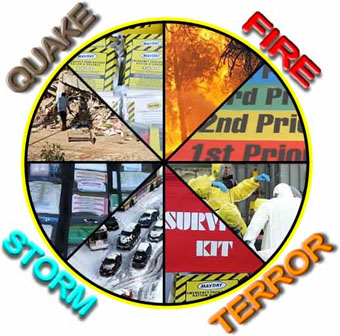
Preparing Our Communities for the Worst
I believe that public safety agencies have an implicit obligation to keep our citizens informed and educated about impending harm, e.g., hurricanes, tornados, severe flooding and the like. But more than that, when necessary, we also have an obligation to give them unambiguous instructions on what actions they need to take to protect their lives.

Wireless Devices in the Fire Station
When a firefighter or officer reports for duty at the beginning of their shift they are no longer on “their time.” They are now on the time of whoever is paying their salary. Time during their shift spent on work or activity that’s not directly linked to the job they’ve been hired for is…fraud.
Social Media Marketing 4 Fire and EMS
Social media professionals recommend that your organization spend at least 60 minutes each day working on mastering your Internet presence. Make a list of what is the most important for your agency and simply begin the process. It is more important for you to start than to worry about making everything perfect.
The Multi-Hazard Fire Department
The fire service needs to market its service as an insurance company does. The fire service provides services to its community that one never wants to call on, like insurance, but can't afford to be without when needed, also like insurance. This is not marketed enough. How many of people live without several insurance policies, e.g., life, health, auto, etc.? None. Yet fire departments in communities across the country are facing dire straits because of lack of citizen support in the voting booth or at fundraising time.