Incident Management
Take Full Advantage of Fire’s Diamond Time
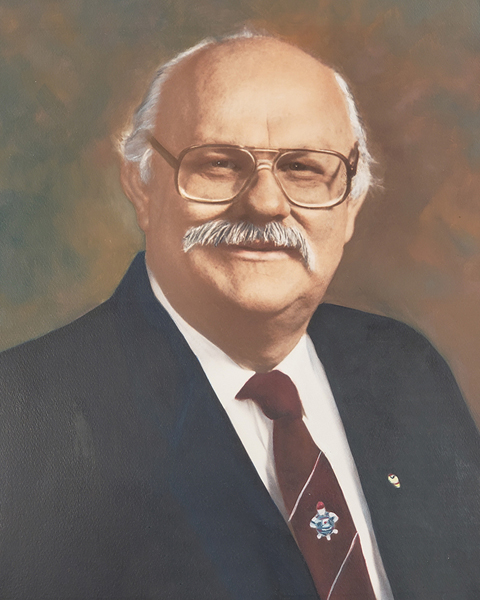
In doing some research online regarding firefighter safety, I came across this "oldie but goodie" from one of the legends of the fire service in the U.S., the late Ronny Coleman. For firefighters and officers of a certain age, we grew up with Chief Coleman particularly as we read his classic monthly column in the old Fire Chief Magazine (the hard copy), The Chief's Clipboard. For me, reading that column provided my first real taste of officer development as I'd just been promoted to a company officer position in my department, the Chesterfield (Va.) Fire and EMS Department, nee the Chesterfield Fire Department. This was one such column.
NFPA 1407: 14 years later, what’s your RIC policy?
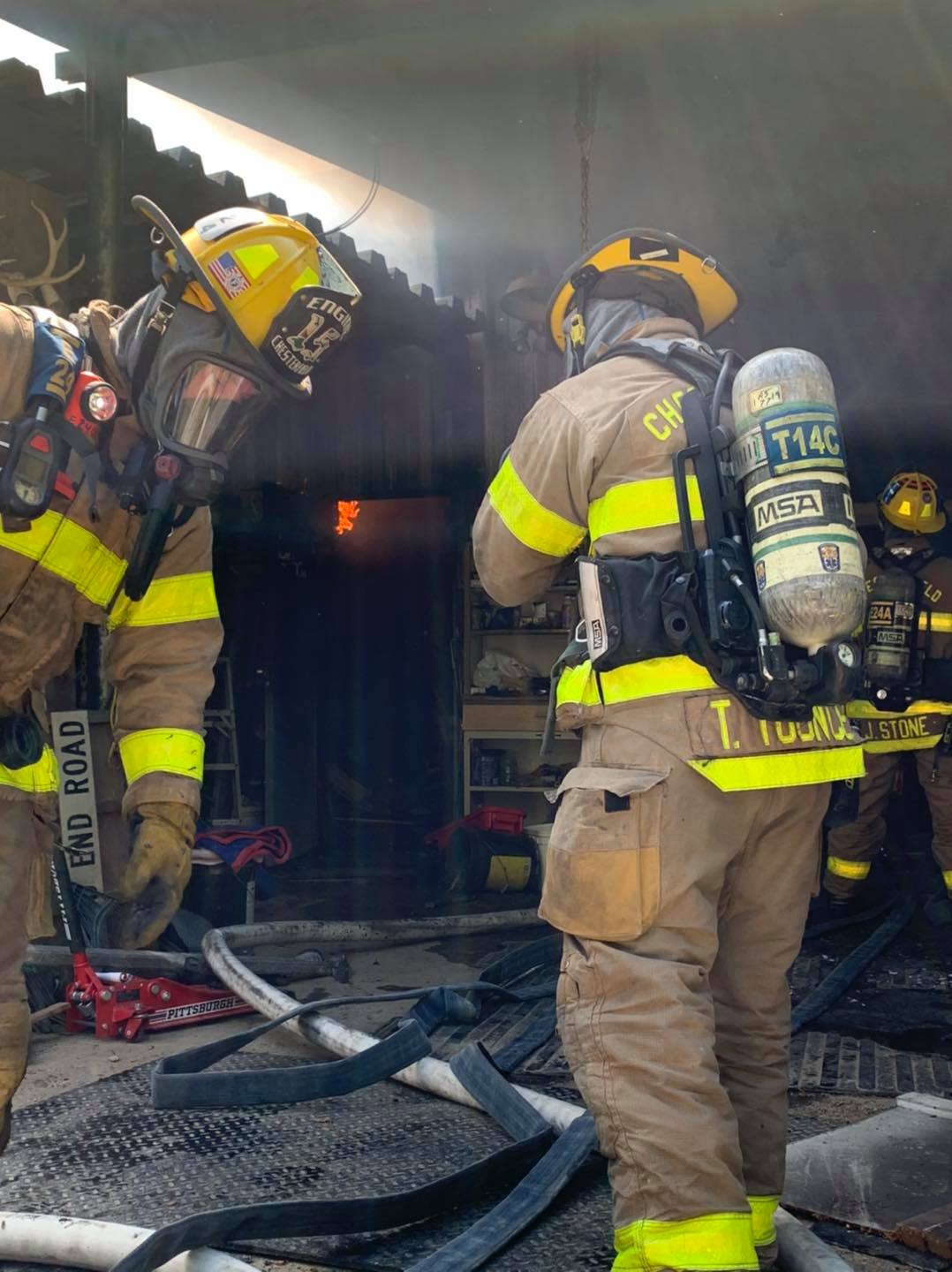
In the fourteen years since its initial publication, NFPA 1407 has been a big part of fire departments elevating the "status" of the RIC as a critical fireground task assignment on par with that of search, fire attack, ventilation, and laddering. While this has been a positive step in the right direction regarding firefighter safety, the RIC is a "reactive" approach to firefighter safety. The RIC is in the "background" until something goes wrong (e.g., a firefighter becomes lost, entrapped or otherwise endangered). The presence of the RIC can also provide a false sense of security, especially when the RIC consists of only two firefighters.
An Objective Tool for Evaluating a Response to a “Firefighter Mayday!”
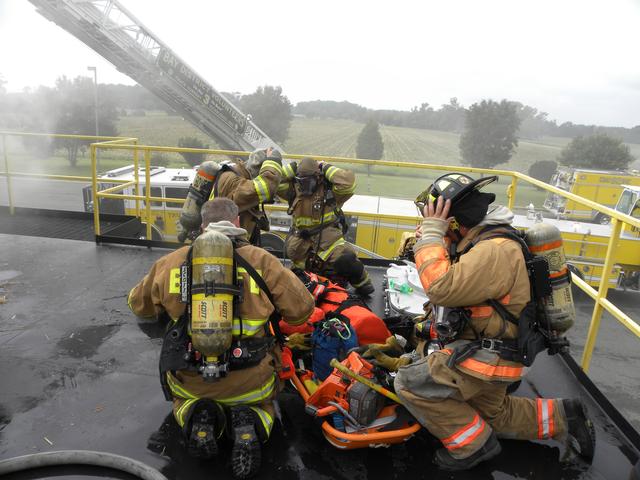
I believe that a fire department that would use such a template for its post-incident review of a “Firefighter Mayday!” declaration would objectively gather the necessary information to have a positive influence for how it responds to future "Firefighter Mayday" situations.
Are firefighter MAYDAYS becoming too frequent?
Does your fire department have a written firefighter mayday procedure (SOG)? If not, you should be asking why not? If it does, how skilled and practiced are you and your peers at following the procedure in the event you find yourself in a mayday situation?
Making Rapid Intervention Crews even better
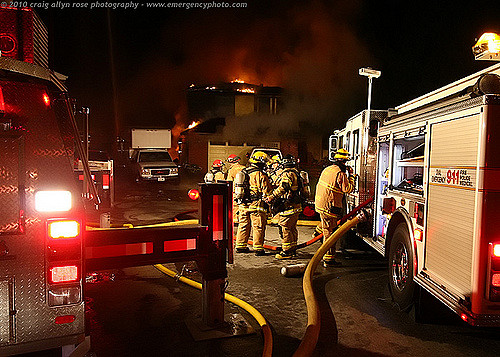
Read a great piece, and even better guidance and direction, on this critical issue from my fire service colleague and…
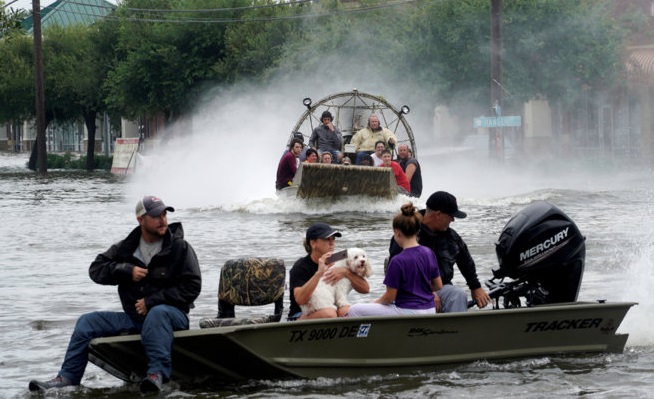
Hurricane Harvey: Another Hurricane, Another SNAFU
Once again, we’re seeing massive numbers of people being rescued from neck-high-deep water, from the rooftops of homes, and tens of thousands of people being housed in emergency shelters. And yet again, we’ve seen what happens when state and local governments send ambiguous and conflicting messages to the general public regarding emergency evacuations.
Storms, Public Safety, and Social Media
Social media tools such as Facebook, Twitter, Instagram, Pintrest and others have become THE way that people share information and expect to get information before, during, and after a natural or man-made disaster. I truly believe that and I also believe this: any public safety agency that doesn’t understand and fully embrace my previous statement is going to have a “rough row to how” during and after their next “big one.”
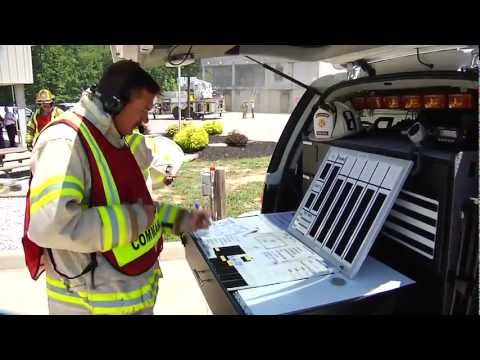
4 Steps for Better Portable Radio Communications
Good radio communications are critical for safe, efficient and effective operations on the emergency scene. How many times has poor incident communications been cited as a significant factor in NIOSH investigations of firefighter fatalities on the fireground?
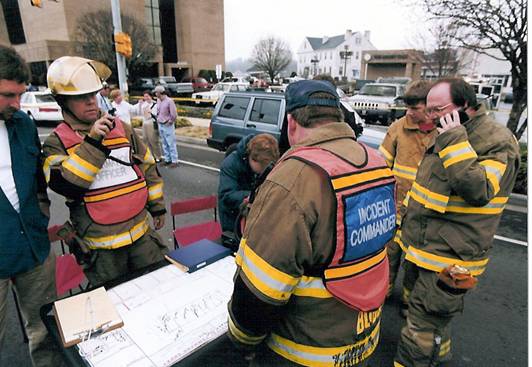
What I’ve Learned by Reviewing Firefighting Videos
We have more access to “real world” fire video because of mobile recording devices and the Internet, but how much are we really taking advantage of this wealth of information to get better at doing the job more safely, efficiently, and effectively?
Save Firefighters FIRST
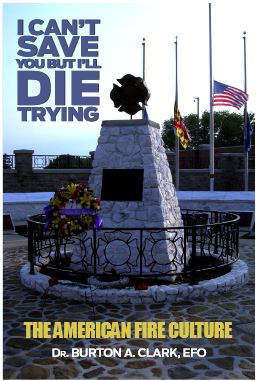
Live with it. The insinuation in such comments is that a "me first" mindset on the part of every firefighter has no part in the fire service culture. Nothing could be further from the truth. If we, as firefighters, are not protecting ourselves or our brother or sister firefighters first to prevent injuries or deaths, then how are we able to accomplish the mission of saving lives if we become victims ourselves?
How Prepared in Your Department for Severe Weather?
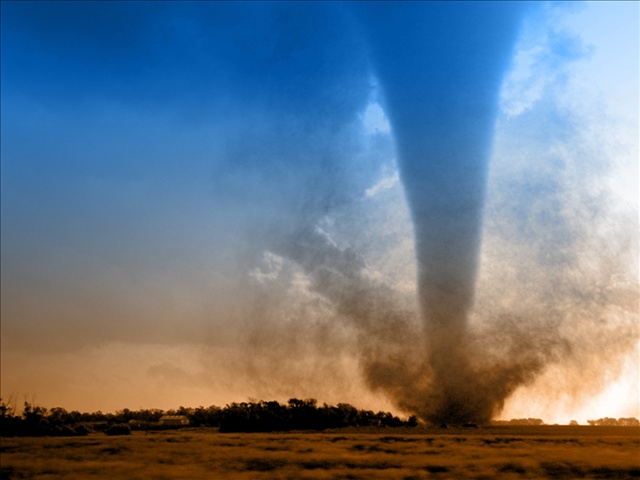
On August 29, 2015 we will mark the 10th anniversary of Hurricane Katrina coming ashore with catastrophic results20150825_severe storm damage for the populations of Louisiana and Mississippi. How ready are your department and community to manage the consequences of severe weather when it comes to town?
A Tale of Two Fires
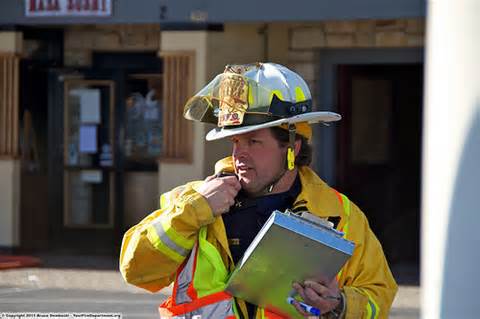
I learned of the fire via a post on our Facebook Group, CFD Members Past & Present, and I have to be honest in that my first thought was “Oh, no!” Why such a reaction—which happened before I opened the link to the news story about the fire—to this fire? Because I’d seen it before.