Firefighter Stress
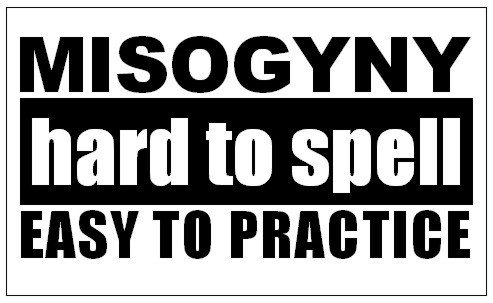
When Speaking Up Costs Everything: A Firefighter’s Truth About Harassment and Silence
Women in the fire service are not asking for special treatment. They are asking for equal treatment—for respect, dignity, safety, and a real voice in the profession they have committed their lives to serving. That is not an unreasonable demand. It is a basic expectation.
After the Call: It’s Not Business as Usual
By: Margaret Gavian, Ph. D, Guest Blogger Lately, I’ve been notified of an onslaught of critical calls happening across the departments I serve – multiple suicides,…
What does “being on the cutting-edge” mean when discussing mental and behavioral health issues for first responders?
Sponsored Content by the First Responder Behavioral Health Institute By: Robert Avsec, Battalion Chief (Ret.), Executive Fire Officer The phrase “cutting edge” comes from the literal…
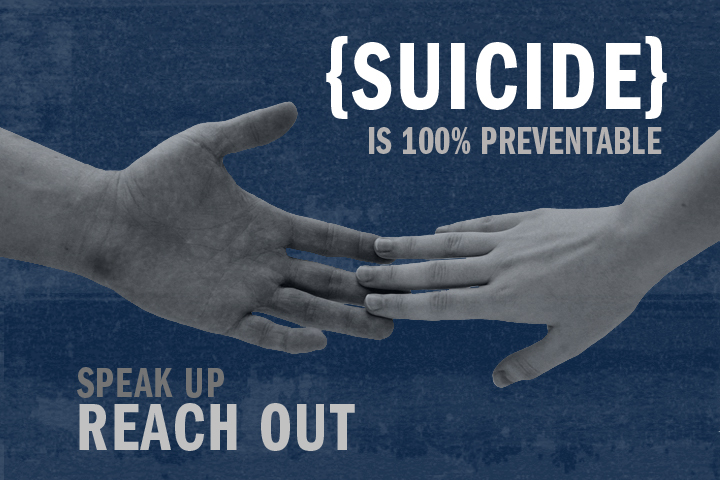
Why are we still not investigating firefighter suicides?
Until we start gathering and analyzing the information that can be obtained by conducting a psychological autopsy for EVERY firefighter suicide, many will continue search for a solution to a problem that they don’t understand. Meanwhile, firefighters will continue to take their own lives in ever increasing numbers.
Why join the Fire Service Psychology Association if you’re in the fire service?
I've been a fire service member of the Fire Service Psychology Association (FSPA) since 2018 and it's been an informative, educational, and fulfilling experience seeing how fire service leaders and psychologist and other mental health clinicians are working to "build a bridge between professional psychology and the fire service." However, in the five-plus years I've been a member of FSPA I never really gave serious thought to "Why did I join FSPA?"
What’s in Your Fire Department’s Behavioral Health “Toolbox?”
Fire departments that are looking to provide an effective behavioral health program for their members would do well to model the approach that the fire service has taken with its tiered response to hazardous materials incidents. They would further serve the best interests of their firefighters by collaborating with mental health clinicians, preferably those at the Specialist Level, just as they would if developing their own hazardous materials response team.
Emotional Hygiene: What you don’t know
Why do we pay so much attention to our physical health yet almost ignore our emotional health? Check out this post to learn why and how to fix that.
Donate to Help Make the 6th Annual Conference of the Fire Service Psychology Association a Success!
You can help support the 6th Annual Conference of the Fire Service Psychological Association with your tax-deductible donation. Help support improving mental health services for firefighters!

Firefighter Suicide: We Don’t Know What We Don’t Know
We must do better in understanding what causes a firefighter to take their own life, and one place we need to start is by gaining a true picture of what leads a firefighter to take their own life. We can only gain that true picture by conducting research in the form of psychological autopsies, that is, using the proven tools and methodologies of psychology.
Be a Part of the 6th Annual Fire Service Psychological Association Conference!
At the Fire Service Psychology Association (FSPA) we're working to "bridge the gap between professional psychology and the fire service." What is that gap? Good question, and here's the answer.
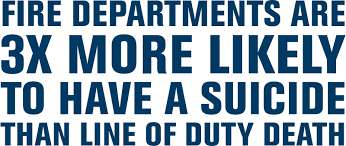
How to declare and respond to an off-duty mayday
The driving force behind the Firefighter Health and Wellness Conference is Brothers Helping Brothers (BHB), a tax-exempt 501(c)(3) organization, founded in 2014. Since its launch, BHB has given out 14 grants to advance its mission of “Helping Small and Rural America, One Fire Department at a Time,” to fire departments in Ohio and surrounding states. The genesis for the conference, according to Nick Magoteaux, founder and co-director of BHB, came in early 2018: “I was doing a fire EMS conference then, and I saw that there was a lot of interest in firefighter cancer. But not much on mental health. So, I got to thinking that mental health was a topic that needed attention.”

The Mind of The Tactical Athlete
So, it's easy to see why athletes—be they amateur or professional—have embraced the sports psychologist as a “mental coach”—on par with their hitting coach or pitching coach for a baseball player--who can help them take their game to the next level. That next level being those same abilities alluded to by Jones: To have faith in their abilities to perform, to thrive in pressure situations, make good decisions under pressure, and then deliver physical performance. But athletes aren’t the only clients. Consider the rigors of performing surgery, for example. Doctors may need help gaining the confidence to return to the operating room after losing a patient. Actors or comedians may need support getting back on stage following a poor review