Data and Technology
LinkedIn in 2025: Beyond the Basics, Toward Strategic Influence
In the past, many folks have asked me “What’s your purpose for getting on LinkedIn?” That’s still the right question—but the answers have evolved. Today, LinkedIn…
Networking in the Digital Age: Rethinking the Action Plan for 2025
Networking is still the lifeblood of professional growth—but the circulatory system has evolved. It’s no longer just about collecting contacts or broadcasting updates. Today, networking is…
How “Tech-savvy” are you?
But a question that stays stuck in my brain is “What impact is all this technology having on actual fire service delivery?” And it's that question that motivated me to write this piece today.
Business Intelligence Software That Helps Fire Departments to “Crunch” NFIRS Data
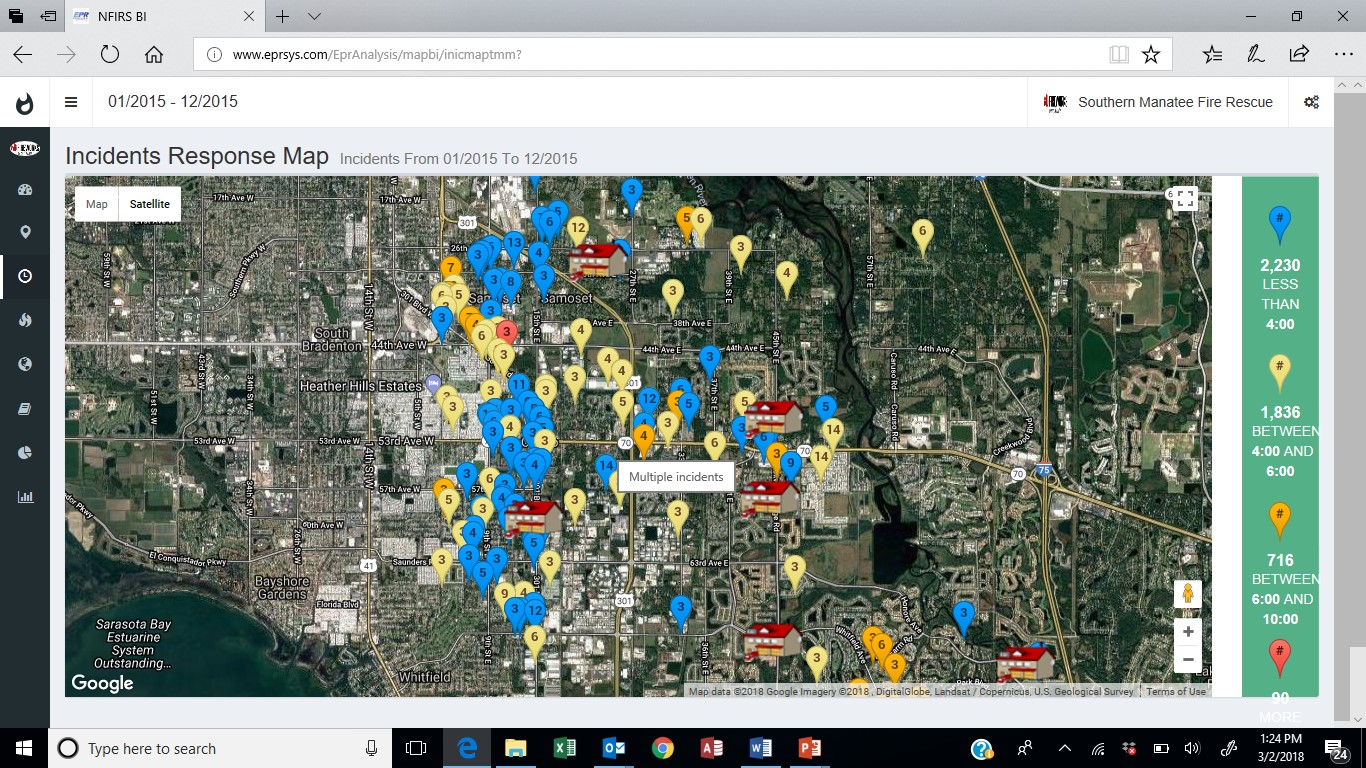
A few months ago, I wrote an article for this space entitled Data Matters for Fire Departments across the U.S.…
Better Data Collection and Analysis for the Fire Service: Reader “Mailbag”
Without quality data how can we measure our baseline performance? How can we improve our performance if we don't have an accurate baseline? The first step in utilizing a data-driven approach is ensuring you are obtaining quality data. After that we can focus on turning data into information, and information into insight.
Data Matters for Fire Departments Across the U.S.
One of my former mentors, Deputy Chief (Ret.) Jim Graham of the Chesterfield County (VA) Fire and EMS Department, was a huge proponent for the use of information whether it was on a fire ground operation or developing a new training program or addressing budget reductions. One of his favorite sayings—one that stays with me to this day—was: “We must constantly strive to become better at data-driven decision making, instead of following the ‘I think, I feel, or I believe model.” But he usually followed that up with a caveat that we should also strive to ensure that we had good information, not just any information.

EMS Provider Education: The Digital Revolution
The “explosion” of accessible and affordable on-line training and education is a topic that is “near and dear” to my heart. First of all, I’ve always been a “training guy”: I loved training to become a better firefighter and EMS provider and I loved being an instructor who helped “kindle” the same passion in others.
NFIRS: What’s causing your heartburn?
Having trouble finding the validation errors? That’s your software. If your report says it’s valid, yet you receive critical errors upon uploading to the state, that’s your software. If you can’t see the full wording of a code, that’s your software. None of these are caused by NFIRS.
Why On-line Training is the Future for Fire Service
The fire service in general has been slow to adapt to new work methods, apparatus, and technologies. (Yes, I'm going to say it, "200+ years of Online studenttradition, unhampered by change.") The technology is here today that can allow an individual to obtain the necessary knowledge of firefighting to successfully complete the knowledge-based portion of certification testing. What's not here today is the widespread acceptance that an individual can learn to be a firefighter using a computer or tablet. Why is that?
7 Steps for Better Professional Networking
Networking is the lifeblood for your professional life, but how can you effectively and efficiently network in the digital age? It can be relatively easy if you have an action plan and that’s my purpose with today’s post: Help you to develop an action plan for your professional networking.
Why NFIRS Matters
We know it’s a problem. It’s always been a problem. However, NFIRS information influences countless prevention campaigns, safety product development, code development, and a host of other areas so it is far past time to take NFIRS seriously. We must set complaints of data quality aside and take action.

NFIRS Data: Using Thought Leadership Media
Robert - this article is right on track. I've personally been involved in using NFIRS data to justify the need for new Stations, Rigs and Personnel. It was response time analysis that allowed us to show areas of the city where we were falling short. That data helped convince the politicians and taxpayers, both.