
I’ve always enjoyed the opportunity to attend national fire and EMS conferences. They provide outstanding educational sessions, meaningful conversations, opportunities to build new professional relationships, and perhaps most importantly, the chance to connect with people who are equally passionate about supporting those who serve.
But simply attending isn’t enough.
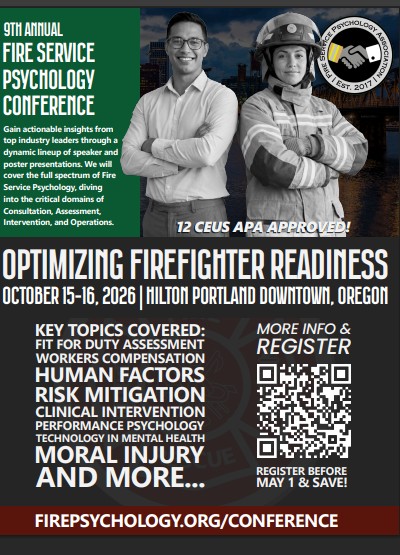
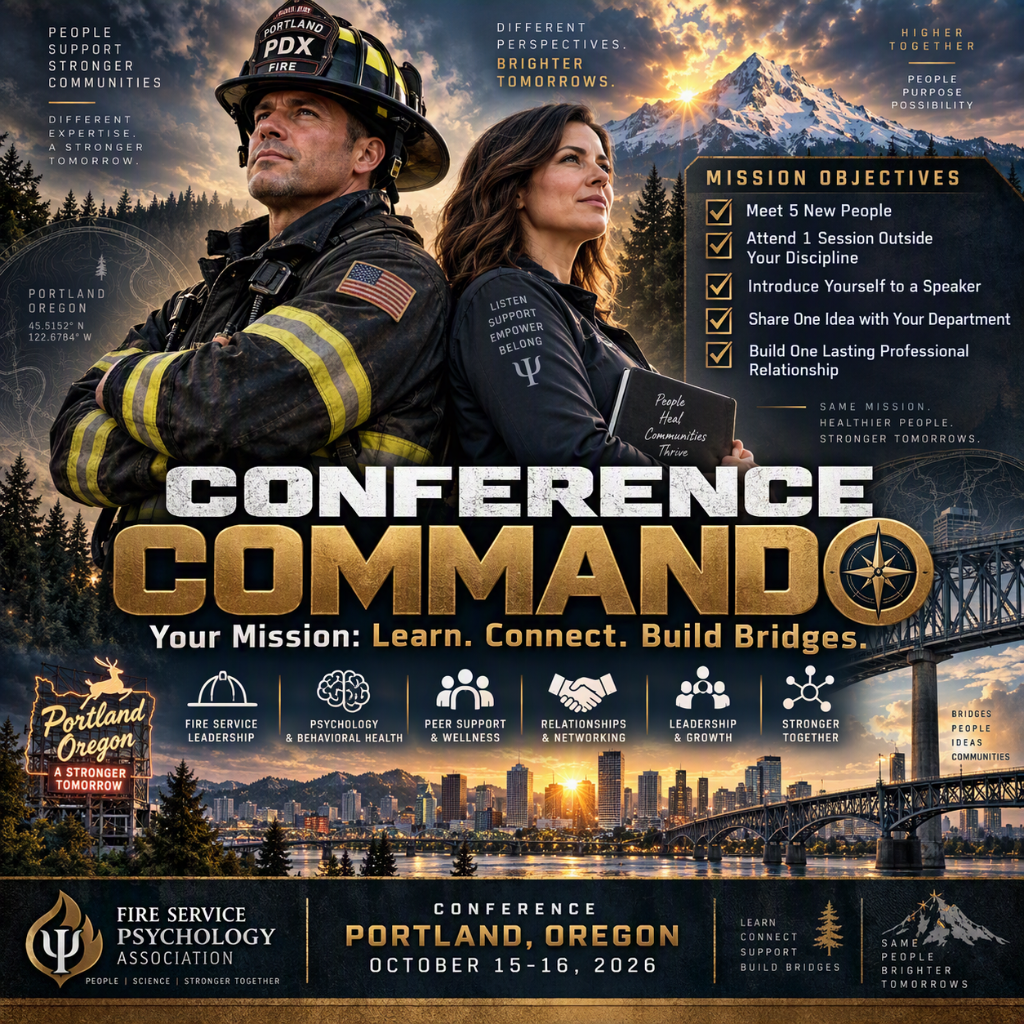
Whether you’re headed to the Fire Service Psychology Association Conference (In Portland, Oregon, October 15-16, 2026), Fire-Rescue International, FDIC International, EMS World Expo, a state chiefs’ conference, or any other professional gathering, you’ll get the most value from the experience by becoming a Conference Commando.
So What’s a Conference Commando?
I first encountered the term in an article by Scott Kirsner in Fast Company. He described conference commandos aspeople who treat a few days at a professional gathering as a strategic opportunity to generate value for their organization, advance their careers, and broaden their perspective. They understand that who you know can be just as important as what you know, and that professional growth comes from exposure to new people and new ideas.
In other words, Conference Commandos don’t just attend conferences. They arrive with a mission.
Why Should You Be a Conference Commando?
Let’s be honest. Most of us arrive at a conference with overflowing inboxes, unfinished projects, and plenty of responsibilities waiting for us back home. Whether you’re a chief officer, company officer, firefighter, paramedic, educator, clinician, researcher, or peer supporter, your time is valuable.
That’s why every attendee should strive for a strong ROMTI: Return on My Time Invested.
At the same time, your agency, department, organization, or employer has likely invested significant resources in your attendance. Registration fees, travel expenses, lodging, meals, and time away from work can add up quickly.
They’re looking for a solid ROTIIY: Return on Their Investment in You.
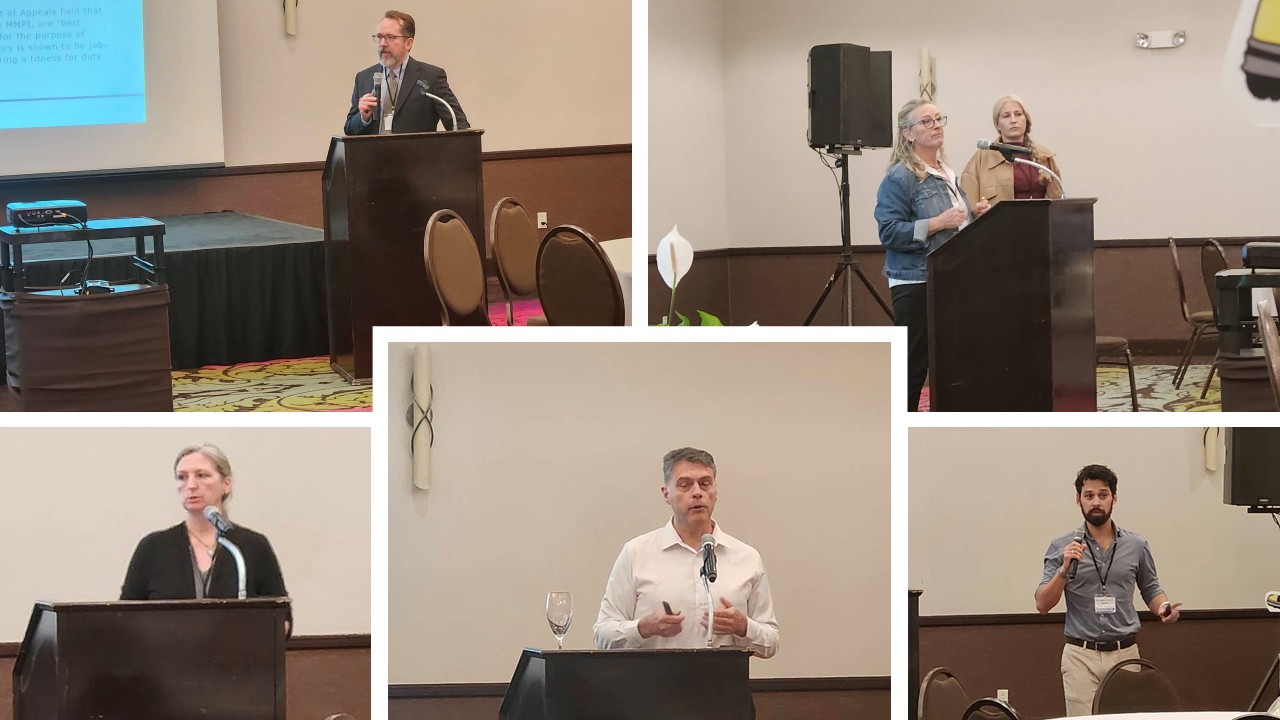
The best way to deliver both is to approach every conference with a plan.
Establish Your Mission Objectives
Before packing your bags, ask yourself:
- What do I hope to learn?
- Who do I want to meet?
- What challenges am I trying to solve?
- What innovative ideas can I bring back home?
- How can I become more effective in serving my organization and community?
Having answers to these questions will help you make better decisions about how you spend your time before, during, and after the conference.
Leverage Technology Wisely
Use your phone for more than checking email.
Follow conference social media feeds, event apps, and communications to stay informed about schedule changes, special events, and opportunities to connect with other attendees.
Before the conference begins, identify speakers, authors, thought leaders, and practitioners you’d like to meet. A brief LinkedIn message or social media introduction beforehand can often lead to a productive conversation once you’re on site.
Just remember: technology should support networking, not replace it.
Divide and Conquer
If you’re attending with colleagues, avoid spending the entire conference together.
Attend different sessions, workshops, and presentations. Cover as much ground as possible and share insights at the end of each day. An informal evening debrief can generate ideas and discussions that are every bit as valuable as the presentations themselves.
When you return home, your team will collectively bring back far more information and resources.
Get Outside Your Comfort Zone
One of the greatest values of any conference is the diversity of experience represented in the room.
Don’t spend all your time with people you already know.
Sit with new people during sessions. Join a table where you don’t know anyone. Ask questions. Listen carefully. Be curious.
Many attendees discover that their most valuable takeaway came from a hallway conversation, a networking reception, or a discussion over coffee rather than from a keynote presentation.
The best professional relationships often begin with a simple introduction.
Document What You Learn
Your smartphone may be one of the most important professional development tools you carry.
Take notes. Capture key presentation slides when permitted. Save articles, resources, references, books, websites, and contact information. Use a note-taking application to organize everything while it’s still fresh in your mind.
Create a dedicated conference folder so that when you return home, all those valuable insights are easily accessible and ready to share.
Build Your Professional Network
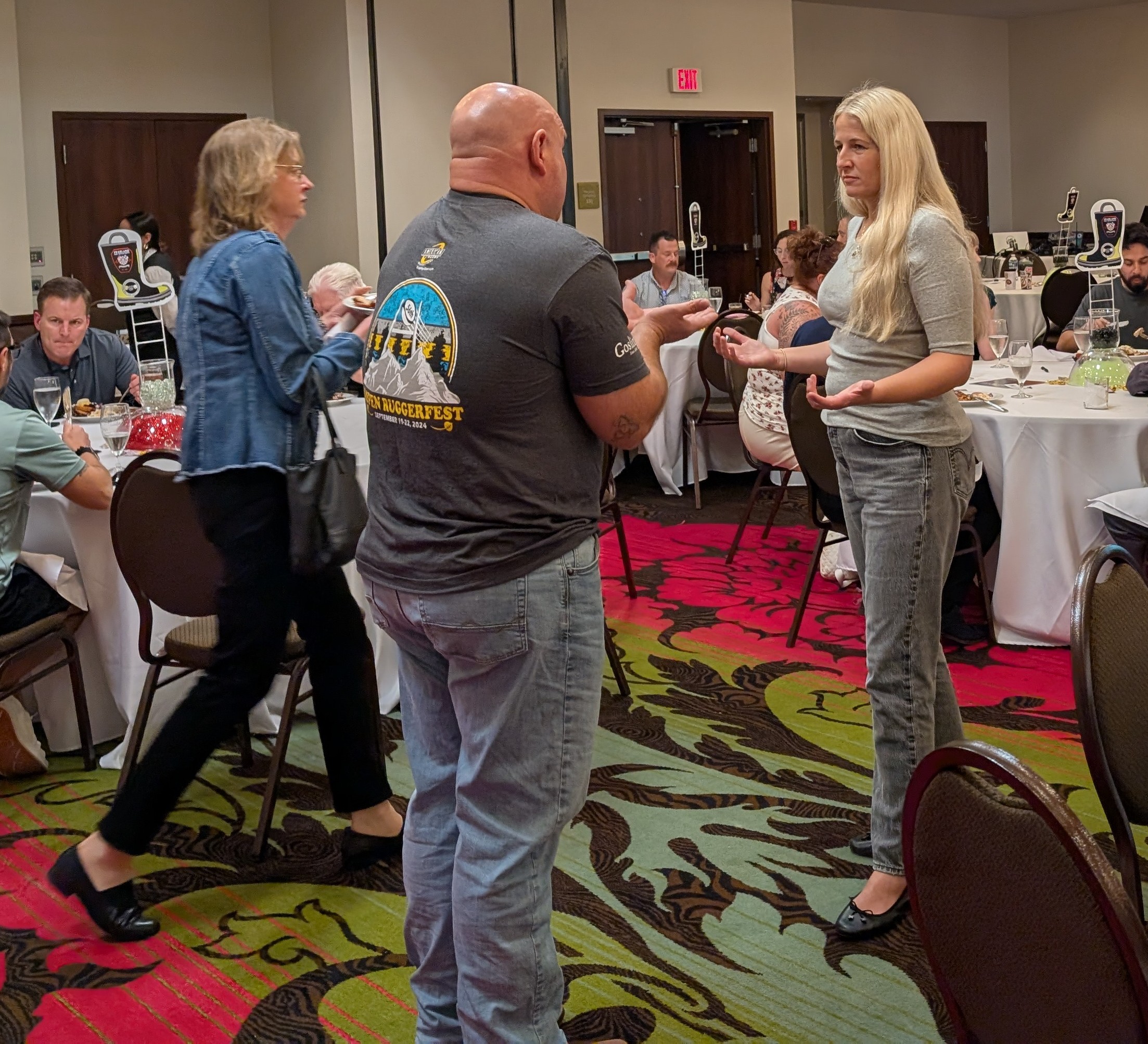
Networking should be one of your primary objectives at every conference.
Exchange contact information with presenters and fellow attendees. Connect on LinkedIn. Follow up with people whose work interests you. Introduce yourself to individuals you’ve admired from afar through their writing, presentations, research, or leadership.
Many of the most valuable opportunities in our profession come through relationships. The person you meet during a break today may become tomorrow’s mentor, collaborator, instructor, advocate, or friend.
Bring Something Home
When the conference ends, your work is just beginning.
Don’t allow your notes and handouts to disappear into a drawer. Share what you’ve learned with your department, agency, organization, or colleagues. Conduct a short presentation, write an after-action report, or discuss key ideas during a staff meeting.
The goal isn’t simply to attend a conference.
The goal is to return home with knowledge, relationships, and practical ideas that make a positive difference.
Final Thoughts
The FSPA Conference in Portland offers a tremendous opportunity to learn, connect, and grow. The same is true for virtually every quality fire and EMS conference you’ll attend throughout your career.
Whether it’s your first conference or your fiftieth, approach each event with a mission. Be intentional. Be curious. Be engaged. Most importantly, be willing to build relationships with people whose experiences and perspectives differ from your own.
Be a Conference Commando.
Your ROMTI and your organization’s ROTIIY will thank you for it.
Join the conversation