
By: Robert Avsec, Executive Fire Officer, Operations Chief at Fire Service Psychology Association
Note: I recently read a post on LinkedIn from, Abi Adamson “The Culture Ajagun,” her latest post in her series, Black Author Friday, that was based on the work of Frantz Fanon particularly his books, Black Skin, White Masks and The Wretched of the Earth. I was moved to write this blog putting her thoughts into the context of fire and EMS department leadership.
In fire and EMS leadership, we spend a tremendous amount of time focused on individuals.
We talk about resilience. We discuss mental toughness. We encourage employees to seek help. We invest in peer support teams, behavioral health resources, and wellness initiatives. All these efforts matter.
But what if one of the most important leadership lessons comes from a psychiatrist and revolutionary who died more than sixty years ago?
Frantz Fanon understood something that modern leaders often overlook: people do not exist separate from the
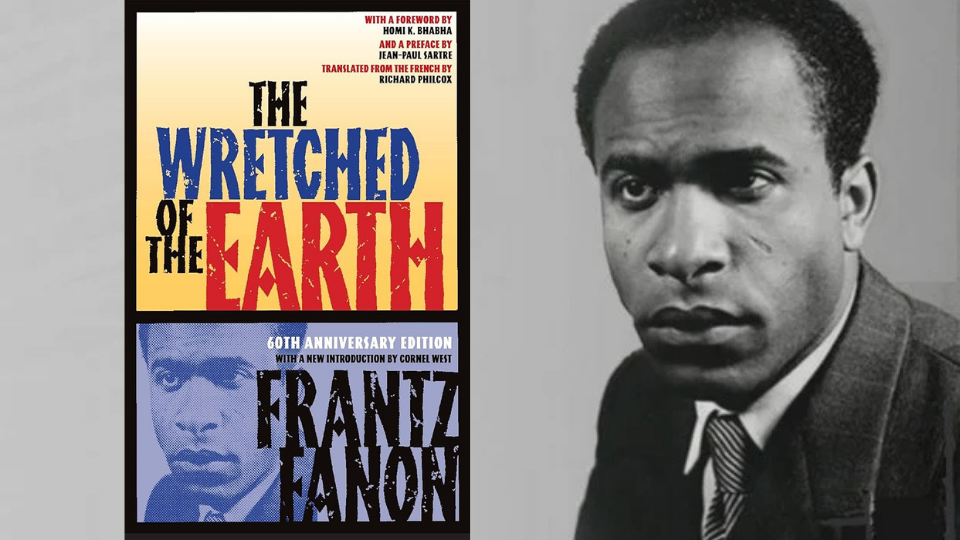
systems they work within. The environment shapes the individual just as much as the individual shapes the environment.
For fire and EMS leaders, that reality should stop us in our tracks.
The Problem Is Not Always the Person
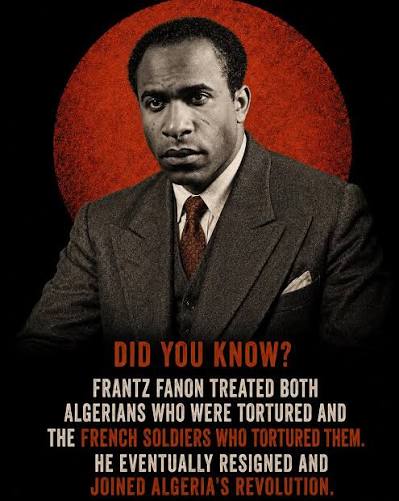
Fanon’s work challenged a common assumption of his time. As a psychiatrist, he treated people suffering under the psychological weight of colonialism, racism, violence, and oppression. What he discovered was profound.
Many of the symptoms showing up in individuals were not simply individual problems. They were predictable responses to unhealthy systems.
In today’s fire and EMS culture, we often meet similar situations.
- A firefighter becomes cynical.
- A paramedic grows emotionally detached.
- A supervisor seems perpetually frustrated.
- A promising employee disengages.
The instinct is often to ask, “What’s wrong with them?”
A better question may be: “What is happening around them?”
When organizations normalize chronic understaffing, excessive mandatory overtime, toxic leadership, inconsistent accountability, public criticism, or a culture where asking for help is viewed as weakness, those conditions inevitably affect the people who work within them.
The symptoms show up in individuals.
The causes are often organizational.
Burnout Does Not Occur in a Vacuum
One of Fanon’s most enduring insights was that harmful systems eventually become internalized. People begin adapting themselves to survive in dysfunctional environments. Anyone who has spent time in emergency services has seen this occur.
New members arrive enthusiastic and mission driven.
Over time, they learn unwritten rules:
- Don’t talk about stress.
- Don’t question tradition.
- Don’t challenge poor behavior from senior personnel.
- Don’t admit when you’re struggling.
- Don’t appear vulnerable.
Eventually these lessons become cultural norms.
What started as an unhealthy system becomes embedded in the identity of the organization. It becomes part of the culture.
Leaders then find themselves managing widespread burnout, disengagement, and morale issues while treating them as individual failures rather than predictable outcomes.
Fanon would likely argue that healing people while leaving the damaging conditions intact is a losing strategy.
Many fire and EMS leaders know this instinctively. You cannot run a wellness program while simultaneously rewarding exhaustion. You cannot preach behavioral health while punishing honesty. You cannot promote individual resilience while ignoring the conditions that continually drain it.
Looking Beyond Surface-Level Solutions
One reason Fanon’s work is still relevant is that he pushed people to examine root causes rather than symptoms.
Emergency service organizations often fall into the trap of seeking quick fixes.
- Need better morale? Schedule a team-building event.
- Need less burnout? Bring in a guest speaker.
- Need better retention? Order department-branded apparel.
Those efforts may help, but they rarely address foundational issues.
If firefighters and EMS professionals consistently report concerns about workload, communication, fairness, leadership credibility, or organizational trust, those concerns deserve more than motivational speeches.
They deserve examination.
The best leaders understand that culture is built through daily experiences, not annual initiatives.
Employees pay less attention to the department’s wellness mission statement and more attention to how people are treated.
The Leadership Challenge
Perhaps the greatest lesson from Fanon is that meaningful change requires leaders to confront uncomfortable truths.
That is not easy in any profession.
It is especially difficult in fire and EMS, where tradition, hierarchy, and pride are deeply woven into organizational culture.
Yet real leadership requires asking tough questions:
- Are we creating conditions where people can thrive?
- Are our policies aligned with our stated values?
- Are we addressing the causes of burnout or merely its symptoms?
- Are we building trust or unintentionally eroding it?
- Are people struggling because they are weak, or because the system is demanding more than is sustainable?
These questions require courage because they shift accountability upward.
They force leaders to move beyond evaluating individual performance and begin evaluating organizational health.
The System Always Wins
The fire service loves stories about exceptional people.
- We admire the firefighter who never quits.
- The medic who always answers the call.
- The officer who pushes through adversity.
Those individuals deserve recognition.
But Fanon reminds us that no amount of individual strength can permanently overcome a dysfunctional system.
A healthy culture can elevate average people into outstanding performers. A toxic culture can slowly wear down even the absolute best. That truth should matter deeply to every fire and EMS leader.
Because our responsibility extends beyond managing personnel. We are stewards of the environments in which they serve.
Final Thoughts
Frantz Fanon never worked a structure fire, rode an ambulance, or managed a public safety organization. Yet his central lesson speaks directly to the challenges facing fire and EMS agencies today.
- Systems shape people.
- Culture shapes behavior.
- Environment shapes performance.
If we genuinely want to address burnout, improve retention, strengthen behavioral health, and build resilient organizations, we cannot focus exclusively on individual firefighters and EMS professionals.
We must also examine the systems surrounding them. The most effective leaders understand a simple but powerful truth: When the culture is unhealthy, the solution is not to ask people to endure more.
The solution is to build something better.
As Fanon taught, healing people requires confronting the conditions that harm them in the first place. For today’s fire and EMS leaders, which may be the most important leadership lesson of all.
Join the conversation